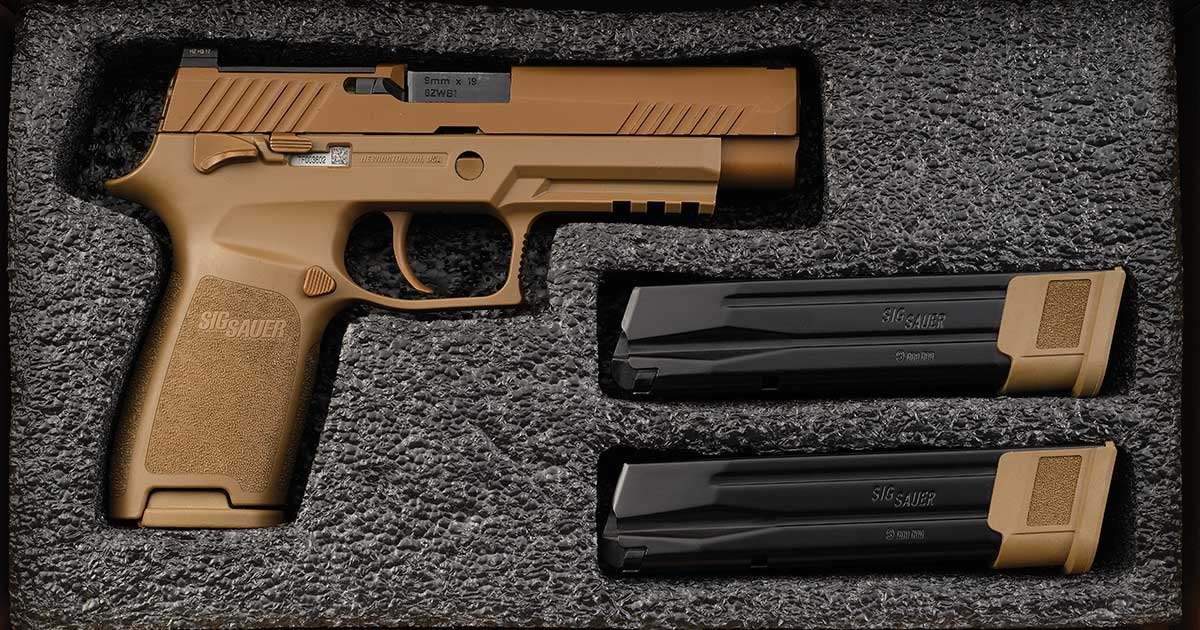
Are Striker Fired Guns Safe? Everything You Need to Know Before You Carry
Firearm safety depends on more than the type of action a handgun uses. Modern handgun designs include multiple built-in safety features that help prevent accidental discharges while keeping the firearm ready for defensive or recreational use. Understanding how these mechanisms work can help you make a more informed decision when choosing a handgun.
Many new and experienced shooters often ask, are striker fired guns safe because these pistols usually lack an external manual safety found on some other handgun designs. This raises understandable questions about carrying, storing, and handling them with confidence.
The answer lies in how striker-fired pistols are engineered and how responsibly they are used. Internal safeties, trigger safety systems, and proper firearm handling all work together to provide dependable protection during everyday use. Knowing these features helps separate common myths from actual performance.
This guide explains are striker fired guns safe, explores the built-in safety mechanisms, compares them with other handgun actions, and highlights the best practices for carrying and using striker-fired pistols responsibly.
Are Striker Fired Guns Safe for Everyday Carry?
Striker-fired handguns have become one of the most popular choices for everyday carry because they combine simple operation, reliable performance, and modern safety features. Many concealed carriers trust these pistols for personal defense, but understanding how they function is essential before carrying one daily. Looking at their built-in safeties, handling requirements, and carry practices helps you determine whether a striker-fired handgun is a safe option for everyday use.
Modern Internal Safety Systems Enhance Protection
Most striker-fired pistols are designed with multiple internal safety mechanisms that help prevent unintended discharges. These commonly include a trigger safety, firing pin safety, and drop safety. Together, these features prevent the firearm from firing unless the trigger is intentionally pressed through its full travel. This layered approach allows the pistol to remain ready for use while reducing the risk of accidental discharge caused by impact or normal movement.
These internal safeties operate automatically without requiring manual activation. As a result, many users appreciate the consistent operation because there is no external safety lever to disengage before firing. While these mechanisms significantly improve safety, they do not replace careful firearm handling or proper training. Safe carry still depends on keeping your finger away from the trigger until you are prepared to fire.
A Quality Holster Is Essential for Safe Carry
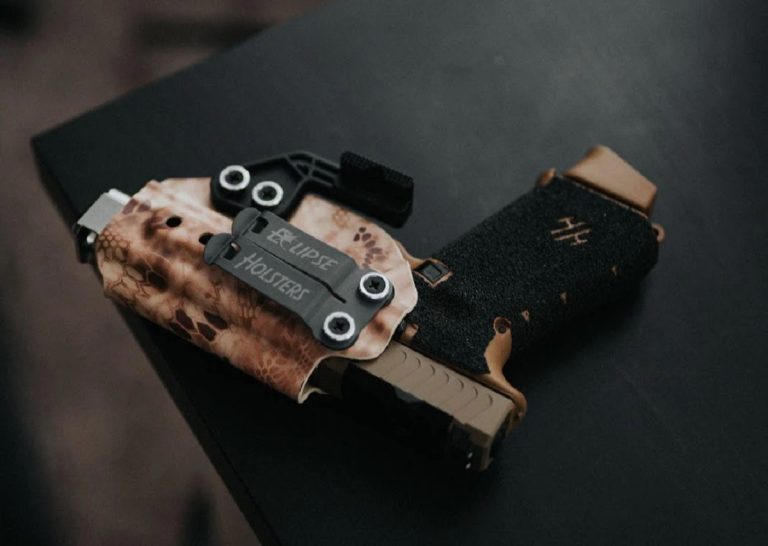
One of the most important factors in safely carrying a striker-fired handgun is using a well-designed holster. A proper holster completely covers the trigger guard, preventing clothing, keys, or other objects from contacting the trigger while the firearm is holstered. This greatly reduces the possibility of an unintended trigger press during everyday activities.
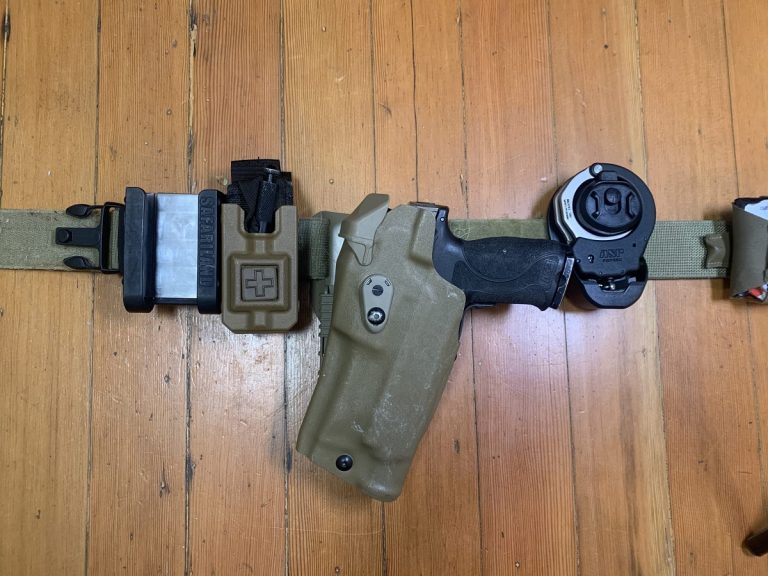
A quality holster also provides secure retention, keeping the handgun firmly in place while walking, sitting, or driving. Choosing a holster specifically designed for your firearm model ensures a proper fit and consistent draw. Combined with a sturdy gun belt, the right holster allows you to carry confidently while maintaining both accessibility and safety throughout the day.
Safe Handling Matters More Than the Action Type
Although striker-fired pistols include advanced safety features, safe handling remains the most important part of everyday carry. Responsible firearm owners follow the basic safety rules at all times, including treating every firearm as loaded, keeping the muzzle pointed in a safe direction, and avoiding contact with the trigger until ready to shoot. These habits reduce the likelihood of negligent discharges regardless of the handgun’s design.
Regular practice also helps build confidence and consistency. Training with your everyday carry setup improves your draw technique, safe reholstering habits, and overall firearm control. Developing these skills allows you to handle a striker-fired pistol responsibly while taking full advantage of its simple and reliable operating system.
Everyday Carry Depends on Training and Preparation
Striker-fired handguns are widely trusted for concealed carry because they offer a consistent trigger pull, dependable reliability, and straightforward operation. Many law enforcement officers, security professionals, and civilian carriers choose this design for its balance of readiness and ease of use. These qualities make striker-fired pistols well suited for everyday carry when paired with proper equipment and responsible handling.
Before carrying any firearm, you should become familiar with its controls, safety features, and operation through regular training. Practicing safe loading, unloading, drawing, and reholstering techniques builds confidence while reinforcing safe habits. Combined with a quality holster and ongoing practice, a striker-fired handgun can provide a secure and dependable everyday carry solution.
Built-In Safety Features of Striker-Fired Guns
Modern striker-fired handguns are designed with several internal safety mechanisms that help prevent unintended discharges while keeping the firearm ready for use. Unlike many traditional handguns that rely on an external manual safety, striker-fired models typically use automatic internal systems that engage continuously. Understanding these built-in safety features helps you appreciate how striker-fired pistols are engineered to provide reliable performance while supporting safe firearm handling.
Trigger Safety Prevents Unintentional Trigger Movement
One of the most common safety features found on striker-fired pistols is the trigger safety. This mechanism consists of a small lever built into the trigger itself, preventing the trigger from moving rearward unless it is intentionally pressed. The design helps reduce the chance of the firearm discharging from accidental contact with the side of the trigger or from objects brushing against it during normal handling.
Although the trigger safety provides an important layer of protection, it does not replace responsible firearm handling. A deliberate press on the trigger still disengages the safety and allows the pistol to fire. Using a holster that completely covers the trigger guard and keeping your finger outside the trigger guard until you are ready to shoot remain essential safety practices for every firearm owner.
Firing Pin Safety Blocks the Striker
Most striker-fired handguns also include a firing pin safety, sometimes called a striker block. This internal component physically blocks the firing pin from moving forward unless the trigger is pulled completely to the rear. As a result, the striker cannot contact the cartridge primer while the safety remains engaged, helping prevent unintended discharges caused by impact or mechanical movement.
When you intentionally press the trigger, the firing pin safety moves out of the way only for the brief moment needed to complete the firing cycle. After the trigger resets, the safety automatically returns to its protective position. This automatic operation provides continuous protection without requiring the user to activate or deactivate a separate safety lever.
Drop Safety Protects Against Impact
A drop safety is another important feature built into many striker-fired pistols. This mechanism prevents the firearm from firing when dropped or subjected to sudden impact by keeping the striker securely blocked until the trigger is intentionally pressed. It serves as an additional safeguard against accidental discharge during everyday handling, transportation, or unexpected falls.
Modern manufacturers extensively test their firearms to ensure the drop safety functions reliably under normal conditions. While this feature greatly improves overall safety, it should never encourage careless handling. Safe storage, secure holsters, and proper firearm discipline remain essential because no mechanical safety system can replace responsible behavior.
Multiple Safety Systems Work Together
The greatest strength of striker-fired handgun design is that several internal safety mechanisms operate together rather than relying on a single feature. The trigger safety, firing pin safety, and drop safety each perform a different function, creating multiple layers of protection before the firearm can discharge. This integrated design allows the pistol to remain ready for defensive use while maintaining a high level of operational safety.
Even with these advanced safety systems, proper training and safe handling practices remain the foundation of responsible firearm ownership. Regular practice, using a quality holster, following the fundamental rules of firearm safety, and understanding how your specific handgun operates all contribute to safe everyday use. Built-in safety features enhance protection, but the user’s knowledge and discipline ultimately determine how safely any firearm is carried and handled.
Common Causes of Negligent Discharges
Negligent discharges are almost always the result of human error rather than a mechanical failure in the firearm. Modern striker-fired handguns are equipped with multiple internal safety mechanisms, yet safe operation still depends on responsible handling. Understanding the most common causes of negligent discharges helps you develop safer habits and reduce the risk of preventable accidents during carrying, handling, and storage.
Placing Your Finger on the Trigger Too Early
One of the leading causes of negligent discharges is placing your finger on the trigger before you are ready to shoot. During drawing, reholstering, or handling the firearm, your trigger finger should remain straight and positioned along the frame. Entering the trigger guard too early increases the risk of an unintended trigger press, especially during stressful situations or quick movements.
Developing proper trigger discipline takes regular practice and consistent attention. Dry-fire training, safe range sessions, and repeating correct handling techniques help build muscle memory over time. By making trigger discipline a habit, you reduce the likelihood of unintentionally firing the handgun while maintaining better control throughout the entire handling process.
Using an Improper or Worn-Out Holster
A poor-quality holster can create unnecessary safety risks, particularly with striker-fired pistols that rely on a covered trigger guard for secure carry. Holsters that fail to fully protect the trigger may allow clothing, drawstrings, or other objects to enter the trigger guard and press the trigger while holstered. This is one of the most preventable causes of negligent discharges.
Selecting a holster specifically designed for your firearm helps ensure proper retention and trigger protection. You should also inspect your holster regularly for signs of wear, cracks, or loose hardware. Replacing damaged equipment and using a sturdy gun belt contribute to a safer everyday carry setup by keeping the firearm securely positioned and properly protected.
Rushing During Reholstering
Many negligent discharges occur while placing the firearm back into the holster rather than during the draw. Reholstering too quickly can cause clothing, jacket drawstrings, or other objects to become trapped inside the trigger guard. As the firearm is pushed downward, these obstructions may apply enough pressure to activate the trigger.
Taking your time while reholstering greatly reduces this risk. Look at the holster whenever practical, clear any clothing away from the opening, and insert the firearm slowly with full control. Careful reholstering is especially important for striker-fired handguns because the trigger is the final step required for the firearm to discharge.
Ignoring Basic Firearm Safety Rules
Mechanical safety features are designed to supplement safe handling, not replace it. Negligent discharges often occur when fundamental firearm safety principles are ignored, such as pointing the muzzle in an unsafe direction, failing to verify that a firearm is unloaded before handling it, or becoming distracted while manipulating the handgun. These mistakes can happen regardless of the firearm’s action type.
Following the universal rules of firearm safety every time you handle a handgun significantly lowers the chance of an accident. Regular training, maintaining focus, and treating every firearm as though it is loaded create habits that remain effective across all firearm platforms. Safe handling practices are the most reliable defense against negligent discharges and should always take priority over relying solely on built-in safety mechanisms.
Safe Carry Practices for Striker-Fired Pistols
Carrying a striker-fired pistol safely involves more than relying on its built-in safety mechanisms. Proper equipment, responsible handling, and consistent training all contribute to reducing risk while maintaining quick access when needed. Developing safe carry habits allows you to confidently use a striker-fired handgun for personal defense while protecting yourself and those around you during everyday activities.
Use a Holster That Completely Covers the Trigger Guard
A quality holster is one of the most important pieces of safety equipment for a striker-fired pistol. The holster should completely cover the trigger guard so that nothing can unintentionally contact the trigger while the firearm is holstered. This design helps prevent accidental trigger movement caused by clothing, keys, or other objects that may come into contact with the handgun during daily carry.
Choose a holster made specifically for your firearm model to ensure a secure fit and proper retention. A well-fitted holster keeps the pistol stable while walking, sitting, or bending and allows for a smooth, controlled draw. Pairing the holster with a sturdy gun belt further improves stability and minimizes unnecessary movement throughout the day.
Practice Proper Trigger Discipline
Keeping your finger away from the trigger until you have made the decision to fire is one of the most important firearm safety habits. Your trigger finger should remain straight and indexed along the frame whenever you draw, carry, inspect, or reholster your striker-fired pistol. This simple practice greatly reduces the chance of an unintended discharge during routine handling.
Consistent training helps reinforce proper trigger discipline until it becomes automatic. Dry-fire practice with an unloaded firearm and supervised live-fire training allow you to build safe habits while improving confidence and firearm control. Maintaining trigger awareness at every stage of handling is far more effective than relying solely on mechanical safety features.
Reholster Slowly and Deliberately
Many firearm handling incidents occur while returning the pistol to the holster rather than while drawing it. Reholstering should always be performed slowly and with complete attention to your surroundings. Before inserting the firearm, make sure clothing, jacket drawstrings, or other objects are clear of the holster opening to prevent them from entering the trigger guard.
There is rarely a need to rush the reholstering process during everyday carry. Looking at the holster when circumstances permit and guiding the firearm into place carefully helps maintain control throughout the process. Taking a few extra seconds can significantly reduce the likelihood of an unintentional trigger press while returning the handgun to its holster.
Train Regularly and Inspect Your Equipment
Safe everyday carry depends on maintaining both your skills and your equipment. Regular practice helps you become familiar with your striker-fired pistol, allowing you to draw, manipulate, and reholster it confidently while following proper safety procedures. Ongoing training also reinforces good habits that remain effective under stress and during routine daily use.
Your holster, belt, magazine carriers, and firearm should be inspected periodically for wear or damage. Loose screws, worn retention systems, cracked holsters, or damaged components can affect both safety and performance. Keeping your equipment in good condition and continuing to practice safe handling techniques ensures your striker-fired pistol remains a dependable and responsibly carried defensive tool.
Factors That Affect Striker-Fired Gun Safety
The safety of a striker-fired handgun depends on more than its internal design. While modern pistols include multiple built-in safety mechanisms, several external factors influence how safely they are carried, handled, and stored. Understanding these factors helps you reduce unnecessary risks and develop responsible firearm habits that support safe operation in a variety of situations.
Proper Training Builds Safe Handling Habits
One of the most important factors affecting striker-fired gun safety is the owner’s level of training. Learning the correct way to load, unload, draw, reholster, and store the firearm builds confidence while reducing the likelihood of handling mistakes. Regular instruction also helps reinforce the universal rules of firearm safety, making them second nature during everyday use.
Training should include both dry-fire practice and supervised live-fire sessions whenever possible. Repeating safe handling techniques develops muscle memory, allowing you to perform routine actions without unnecessary hesitation or unsafe movements. Continuous practice keeps your skills sharp and encourages responsible firearm ownership regardless of your level of experience.
Holster Quality Plays a Critical Role
A well-designed holster is essential for carrying a striker-fired handgun safely. Since most striker-fired pistols do not rely on an external manual safety, the holster must completely cover the trigger guard to prevent anything from pressing the trigger while the firearm is holstered. Proper trigger protection greatly reduces the chance of an unintended discharge during daily carry.
The holster should also provide secure retention and maintain its shape over time. A model designed specifically for your handgun offers the best fit and supports consistent drawing and reholstering. Pairing the holster with a sturdy gun belt keeps the firearm stable throughout normal movement, improving both comfort and safety during everyday carry.
Regular Maintenance Supports Reliable Performance
Keeping a striker-fired handgun clean and properly maintained contributes to both safety and reliability. Dirt, debris, excessive fouling, or worn components can interfere with normal operation and affect the performance of internal safety mechanisms. Following the manufacturer’s maintenance schedule helps ensure the firearm continues functioning as intended.
Routine inspections allow you to identify worn springs, damaged sights, loose screws, or other issues before they become larger problems. Cleaning the barrel, slide, and internal components after regular use also promotes dependable operation. A well-maintained firearm is more likely to perform consistently while preserving the effectiveness of its built-in safety systems.
Responsible Storage and Everyday Habits Matter
Safe firearm ownership extends beyond carrying and shooting. Proper storage helps prevent unauthorized access and reduces the risk of accidental handling by children or untrained individuals. Keeping the handgun in a secure gun safe or lockable storage container when it is not in use is an important part of overall firearm safety.
Everyday habits also influence how safely a striker-fired pistol is handled. Keeping your finger off the trigger until you are ready to fire, maintaining awareness of muzzle direction, and verifying the firearm’s condition before handling it all contribute to responsible ownership. When combined with quality equipment and consistent training, these habits create a strong foundation for safe and confident use of any striker-fired handgun.
Choosing a Safe Striker-Fired Pistol
Selecting a safe striker-fired pistol involves more than comparing size, price, or appearance. You should evaluate the firearm’s safety features, reliability, ergonomics, and intended purpose before making a decision. Understanding what to look for helps you choose a handgun that supports responsible ownership while providing dependable performance for training, home defense, or lawful everyday carry.
Evaluate the Built-In Safety Features
Modern striker-fired pistols are equipped with internal safety mechanisms designed to reduce the risk of unintended discharges. Common features include trigger safeties, firing pin blocks, and drop safeties that work together to prevent the firearm from firing unless the trigger is intentionally pressed. These systems operate automatically, allowing the handgun to remain ready for use while maintaining multiple layers of mechanical protection.
When comparing different models, review the manufacturer’s safety features and understand how they function. Reading the owner’s manual and becoming familiar with the firearm’s operation helps you use it correctly. A pistol with well-designed internal safeties, combined with responsible handling, provides a strong foundation for safe firearm ownership.
Prioritize Reliability, Fit, and Proper Handling
A safe striker-fired pistol should also be reliable and comfortable to handle. The grip should allow you to maintain secure control, and the controls should be easy to operate without changing your grip significantly. A handgun that fits your hand properly often improves confidence, accuracy, and overall handling during training and routine use.
Before making a purchase, spend time learning how the firearm operates and practice safe handling techniques under proper supervision whenever possible. Pair your pistol with a quality holster that completely covers the trigger guard and use equipment designed specifically for your firearm model. Choosing a reliable handgun that fits your needs and committing to regular training will help you handle it safely and responsibly over the long term.
FAQs
Are Striker Fired Guns Safe for Everyday Carry?
Yes, striker-fired guns are generally safe for everyday carry when you use them responsibly and follow proper firearm safety practices. Most modern striker-fired pistols include multiple internal safety mechanisms, such as trigger safeties, firing pin blocks, and drop safeties, that help prevent accidental discharge unless the trigger is intentionally pressed.
You should always carry your firearm in a quality holster that completely covers the trigger guard. Consistent trigger discipline, routine maintenance, and regular training are just as important as the gun’s built-in safety features. Safe handling habits ultimately determine how safely you carry any firearm.
Can a Striker Fired Gun Go Off Without Pulling the Trigger?
A properly functioning modern striker-fired gun is designed not to fire unless the trigger is deliberately pressed. Internal safety systems work together to block the firing pin and prevent the striker from moving forward during normal handling, bumps, or drops. These engineered features make unintended firing extremely unlikely under normal conditions.
You should still inspect your firearm regularly and avoid carrying it with damaged components or aftermarket trigger modifications that may affect reliability. Safe storage, proper maintenance, and responsible handling remain essential to minimizing the risk of accidental discharge.
Are Striker Fired Guns Safe for Beginners?
Striker-fired guns can be a good option for beginners because they are simple to operate and have fewer external controls than many hammer-fired pistols. Their consistent trigger pull from one shot to the next allows you to focus on learning proper grip, sight alignment, and trigger control during practice.
You should complete professional firearm safety training before carrying any handgun. Developing good habits, including keeping your finger off the trigger until you are ready to shoot and practicing safe holstering techniques, helps you use a striker-fired pistol safely and confidently.
Why Do Most Striker Fired Guns Not Have a Manual Safety?
Many striker-fired pistols rely on multiple internal safety mechanisms instead of an external manual safety. These built-in systems automatically engage and disengage as you use the firearm, helping simplify operation while still providing protection against unintended discharge during normal handling.
You should understand that the absence of a manual safety does not make the firearm unsafe. Instead, it places greater importance on proper trigger discipline, careful holstering, and responsible firearm handling. Following the basic rules of firearm safety is always more important than relying on any single safety feature.
Are Striker Fired Guns Safer Than Hammer Fired Guns?
Neither striker-fired nor hammer-fired guns are automatically safer than the other. Both designs can be extremely safe when manufactured properly and handled responsibly. The main differences involve trigger systems, operating mechanisms, and user preferences rather than overall safety.
You should choose the platform that best fits your experience, intended use, and comfort level. Regardless of the design you select, safe handling, regular practice, and using a well-made holster will have a much greater impact on safety than the firing system itself.
What Safety Features Do Modern Striker Fired Guns Have?
Most modern striker-fired pistols include several passive safety mechanisms that work automatically. Common features include a trigger safety that prevents rearward movement unless intentionally pressed, a firing pin safety that blocks the striker, and a drop safety that helps prevent discharge if the firearm falls.
You should never assume these systems replace safe firearm handling. Although these features provide additional protection, they are designed to support responsible use rather than compensate for unsafe behavior. Proper storage, maintenance, and consistent training remain essential for long-term firearm safety.
How Can You Safely Carry a Striker Fired Gun?
You can safely carry a striker-fired gun by using a rigid, high-quality holster that completely covers the trigger guard and securely retains the firearm. A properly fitted holster reduces the chance of objects contacting the trigger while allowing a smooth, consistent draw when needed.
You should also inspect your firearm regularly, avoid unnecessary trigger modifications, and practice drawing and reholstering with care. Keeping your finger outside the trigger guard until you are prepared to fire and following established firearm safety rules will help ensure safe everyday carry.
Final Thoughts
Modern striker-fired handguns are designed with multiple internal safety mechanisms that help reduce the risk of unintended discharges when they are handled correctly. Understanding how these features work, combined with proper training and responsible firearm handling, allows you to use these pistols with greater confidence. This is why many firearm owners continue to ask, are striker fired guns safe, before making a purchase or choosing one for everyday carry.
The answer depends not only on the firearm’s design but also on the person using it. A quality holster, consistent trigger discipline, regular maintenance, and following the fundamental rules of firearm safety all play an important role in preventing negligent discharges. Evaluating these factors gives you a clearer understanding of are striker fired guns safe in real-world use.
Choosing a reliable striker-fired pistol and developing safe habits are the keys to responsible ownership. By learning the firearm’s operation, practicing regularly, and using the proper equipment, you can confidently answer the question are striker fired guns safe while making informed decisions that prioritize safety and long-term reliability.