How to Open Locked Gun Safe – Safe and Practical Methods That Work
Getting locked out of a gun safe can be frustrating, especially when you need quick access to important belongings stored inside. A forgotten combination, a dead keypad battery, or a mechanical issue can leave you searching for safe and reliable solutions without causing unnecessary damage.
Learning how to open locked gun safe starts with understanding the type of lock you have and the approved methods designed by the manufacturer. Taking the right approach protects both the safe and the valuables inside while reducing the risk of expensive repairs.
Many modern gun safes include backup entry options, reset procedures, or emergency keys that make the process much easier. Knowing these features before attempting anything can save time and help you avoid mistakes that may permanently damage the locking mechanism.
This guide explains how to open locked gun safe using practical, step-by-step methods, along with troubleshooting tips for common lock problems. You will also learn when professional assistance becomes the safest and most effective choice.
Identify Why Your Gun Safe Is Locked
Before trying to regain access, take a few minutes to determine why the safe is locked. Understanding the cause helps you choose the safest solution and reduces the chance of damaging the lock or door. A careful inspection also saves time by eliminating unnecessary troubleshooting and guiding you toward the most effective method for restoring access.
Check For Incorrect Combination Or PIN Entry
One of the most common reasons a gun safe remains locked is an incorrect combination or keypad PIN. Double-check every number before entering it again. Enter the code slowly and press each button firmly to make sure the keypad registers every input correctly. Small mistakes, such as reversing two digits or pressing a key too quickly, often prevent the lock from opening.
Many electronic gun safes also have a temporary lockout feature after several incorrect attempts. During this period, the keypad may stop responding for a few minutes to discourage repeated guessing. Waiting for the lockout period to end before trying again can restore normal operation. Taking your time with the code improves your chances of opening the safe without creating additional problems.
Inspect The Lock For Battery Or Mechanical Problems
Electronic locks depend on sufficient battery power to function properly. Weak or dead batteries can prevent the keypad from activating, even when you enter the correct code. Look for signs such as a dim display, warning beeps, or no response after pressing the buttons. Replacing the batteries with fresh, high-quality ones often resolves the issue without further troubleshooting.
Mechanical locks can develop problems from wear, dust buildup, or internal component failure. A dial that feels unusually stiff, loose, or difficult to turn may indicate a mechanical issue. Examine the exterior for visible damage and make sure the handle moves naturally without excessive force. Identifying these symptoms early helps you decide whether simple maintenance or professional repair is the better option.
Look For Signs Of A Jammed Door Or Locking Bolts
Sometimes the locking mechanism works correctly, but pressure on the door prevents the bolts from retracting. Heavy items stored inside the safe can shift over time and push against the door, making it difficult to open even after entering the correct code. Applying gentle pressure or slightly pulling on the handle while operating the lock may relieve this pressure.
Inspect the door frame and bolt area for debris, rust, or anything blocking normal movement. Dirt and lack of lubrication may also affect how smoothly the locking bolts operate. Never force the handle or use excessive pressure because that can damage internal components. A careful inspection often reveals the real reason the safe remains locked and helps you select the safest way to continue.
Check The Type Of Lock On Your Gun Safe
Before attempting to unlock your gun safe, identify the type of locking system it uses. Different lock designs require different troubleshooting methods, and using the wrong approach can lead to unnecessary damage or longer delays. Knowing whether your safe has an electronic keypad, mechanical dial, biometric reader, or backup key system helps you choose the correct solution and work more confidently.
Identify An Electronic Keypad Lock
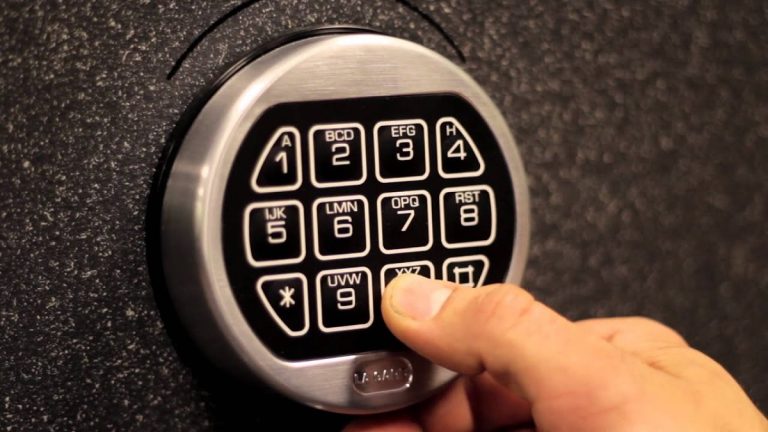
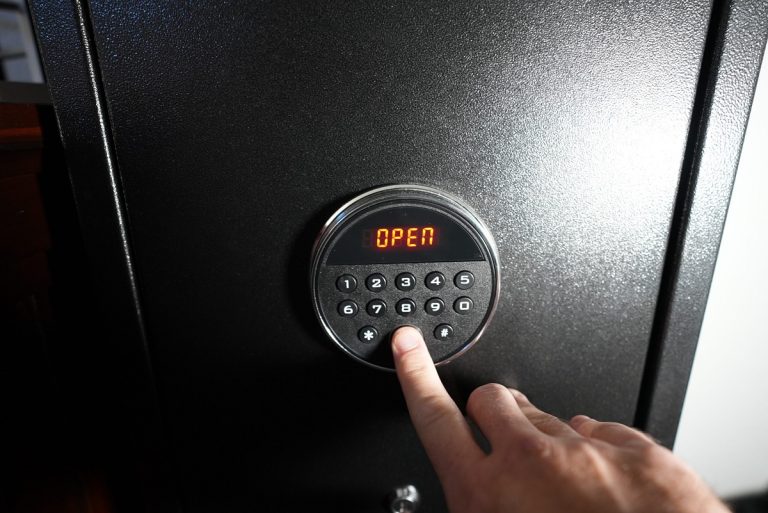
Electronic keypad locks are among the most common options found on modern gun safes. You can recognize them by the numeric keypad mounted on the front of the door. These locks operate using a programmed PIN or access code and usually rely on batteries for power. Some models include an illuminated display, audible confirmation beeps, or warning indicators that alert you to low battery levels before the lock stops working.
Take a close look at the keypad for signs of wear, stuck buttons, or physical damage that could affect normal operation. Press each key gently to confirm it responds properly without sticking. Battery compartments are often located beneath the keypad or behind a removable cover, making replacement straightforward. Checking these basic components first helps rule out common issues before moving to more advanced troubleshooting steps and reduces the chance of overlooking a simple fix.
Recognize A Mechanical Combination Lock
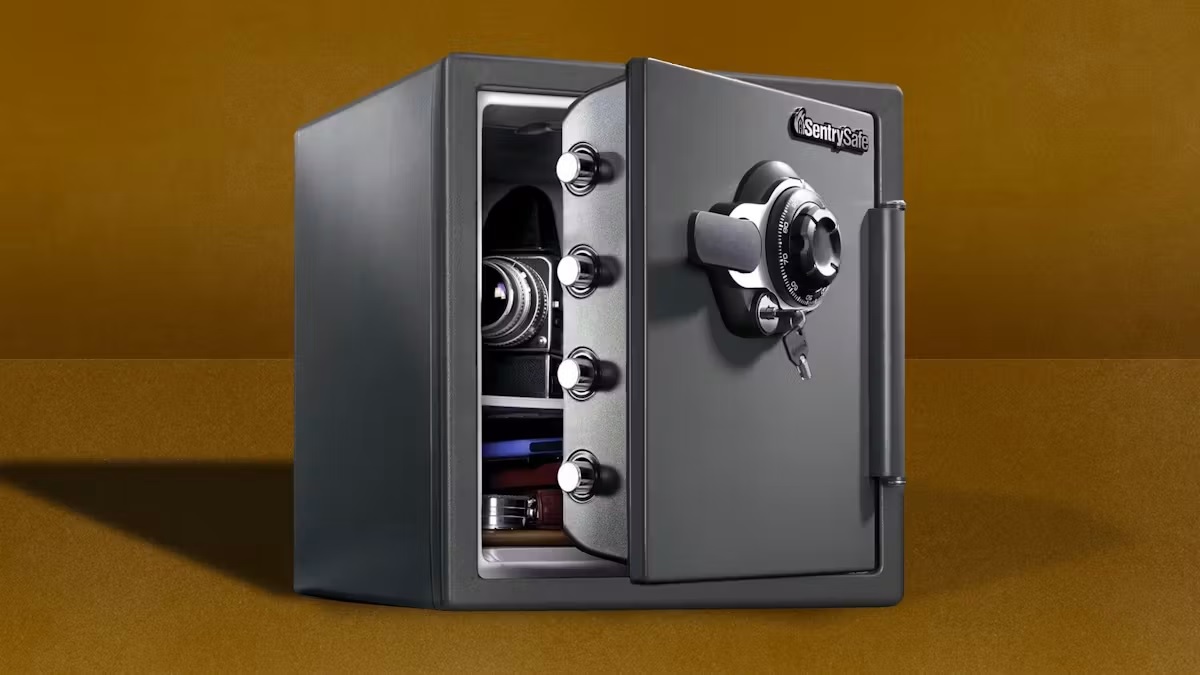
A mechanical combination lock uses a rotating dial instead of an electronic keypad. This design does not depend on batteries, making it a dependable choice for long-term storage. Opening this type of safe requires turning the dial through a precise sequence of numbers while following the correct rotation pattern. Even a slight mistake in the dialing process can prevent the lock from releasing.
Inspect the dial to ensure it turns smoothly without excessive resistance or unusual looseness. Dirt, dust, or worn internal components may affect performance over time. Use the combination exactly as provided by the manufacturer and avoid spinning the dial too quickly, since accurate alignment is important. Familiarity with the dialing sequence improves your chances of opening the safe successfully while protecting the lock from unnecessary strain.
Determine Whether Your Safe Uses A Biometric Lock
Biometric gun safes unlock by recognizing an authorized fingerprint instead of requiring a code or combination. These systems provide fast access while reducing the need to remember passwords. Most biometric safes also include backup entry methods, such as a keypad or emergency key, giving you another option when fingerprint recognition does not work as expected.
Examine the fingerprint sensor for dirt, moisture, fingerprints, or scratches that could interfere with scanning accuracy. Clean the sensor carefully with a soft, dry cloth and place your registered finger naturally against the reader during each attempt. Low battery power can also affect biometric performance, making battery replacement an important part of troubleshooting. Understanding how your biometric lock operates helps you identify the source of the problem without unnecessary guesswork.
Check For An Emergency Key Override
Many gun safes include an emergency key override as a backup method for gaining access when the primary lock cannot be used. The key slot is often hidden behind a removable cover, logo plate, or small protective cap on the front of the safe. Reviewing the owner’s manual can help you locate this feature without spending unnecessary time searching.
Make sure you use the original emergency key designed for your specific safe model. Avoid inserting damaged or incorrect keys because they can become stuck or harm the lock cylinder. Turn the key gently while operating the handle according to the manufacturer’s instructions. Keeping the emergency key stored in a secure but separate location ensures it remains available whenever you need an alternative way to unlock the safe.
How To Open Locked Gun Safe With An Electronic Keypad
Electronic keypad gun safes offer convenient access, but they can become difficult to open when the batteries fail, the code is entered incorrectly, or the keypad develops a minor issue. Following the correct troubleshooting steps helps restore access while protecting the locking mechanism. Working carefully also reduces the risk of causing damage that may require costly repairs.
Enter The Correct Access Code Carefully
Begin by entering your access code slowly and accurately. Press each button firmly and wait for the keypad to register every digit before moving to the next one. A rushed entry can result in missed keystrokes or accidental button presses, causing the safe to reject the code even when you know the correct combination.
Pay attention to any sounds or indicator lights after entering the code. Many electronic locks provide a green light, a beep, or another confirmation when the code is accepted. Repeated warning tones or flashing lights often indicate an incorrect entry or a temporary lockout after several failed attempts. Allow the lockout period to expire before trying again, and make sure your fingers are pressing the intended keys without interruption.
Replace The Batteries And Test The Keypad
Weak or dead batteries are one of the most common reasons an electronic gun safe refuses to unlock. Locate the battery compartment, which is usually positioned behind the keypad or beneath a removable cover. Replace the old batteries with fresh, high-quality batteries of the recommended type, ensuring they are installed in the correct direction.
After replacing the batteries, wait a few seconds for the keypad to initialize before entering your access code again. Check that the display, keypad lighting, or audible signals return to normal operation. Avoid mixing old and new batteries because inconsistent power can affect the lock’s performance. Regular battery replacement helps prevent future lockouts and keeps the electronic locking system functioning reliably.
Use The Emergency Key Override
Many electronic gun safes include an emergency key override that provides access when the keypad cannot be used. The key slot is often concealed behind a small cover or decorative panel on the front of the safe. Refer to your owner’s manual to identify its exact location and confirm the correct operating procedure.
Insert the original emergency key gently into the lock cylinder and turn it according to the manufacturer’s instructions while operating the safe handle. Do not force the key or twist it excessively, as doing so may damage the cylinder. Once the safe is open, inspect the batteries and keypad to determine why the electronic system stopped responding before returning the safe to regular use.
Reset The Electronic Lock After Opening
After successfully opening the safe, inspect the electronic lock for signs of low battery power, worn keypad buttons, or other issues that may have caused the lockout. Replacing weak batteries and cleaning the keypad with a soft, dry cloth can improve reliability. Checking the battery contacts for corrosion also helps ensure a consistent power supply.
Reset the access code only by following the manufacturer’s programming instructions for your specific model. Choose a code that is easy for you to remember but difficult for others to guess. Test the new code several times while the safe door remains open to confirm it works correctly. Completing these steps helps ensure the electronic keypad operates smoothly and reduces the likelihood of future access problems.
Open Locked Gun Safe With A Mechanical Combination Lock
Mechanical combination locks are valued for their reliability because they operate without batteries or electronic components. Even so, they require precise dialing to unlock correctly. Taking a careful, methodical approach helps prevent unnecessary mistakes and protects the lock from excessive wear. Understanding how the dial and locking mechanism work makes the unlocking process much smoother and more consistent.
Verify The Correct Combination Before Dialing
Before turning the dial, confirm that you are using the correct combination provided with your gun safe. Many opening problems occur because one number has been recorded incorrectly or remembered out of sequence. Check your owner’s manual or any secure records where you stored the original combination. Using verified information saves time and reduces repeated unsuccessful attempts.
Read each number carefully before beginning the dialing sequence. Pay close attention to similar-looking digits that can easily be confused. Make sure the dial starts from its proper resting position before entering the combination. Beginning with the correct numbers provides the best chance of unlocking the safe without placing unnecessary stress on the internal components or wasting time on repeated attempts.
Follow The Proper Dialing Sequence
Mechanical combination locks depend on a specific turning pattern as well as the correct numbers. Turn the dial in the required direction for each number, passing certain numbers the appropriate number of times before stopping exactly on the desired position. Even slight over-rotation or stopping too early can prevent the lock from releasing.
Rotate the dial at a steady pace without spinning it rapidly. Slow, controlled movements make it easier to align each number accurately with the index mark. Keep your attention on every step of the sequence rather than rushing to finish. Consistent dialing improves accuracy and reduces the possibility of starting over because of a simple alignment mistake.
Check For Dial Or Handle Resistance
After completing the combination, gently test the handle to determine whether the locking bolts have disengaged. The handle should move smoothly without requiring excessive force. Strong resistance may indicate that the combination was entered incorrectly or that pressure on the door is preventing the bolts from retracting completely.
Examine the dial for unusual stiffness, grinding, or looseness while turning it. These signs may point to dirt, worn components, or mechanical wear inside the lock. Never force the handle or attempt to pry the door open, as this can damage the locking mechanism. Careful observation of how the dial and handle respond often provides useful clues about the source of the problem.
Inspect For Mechanical Wear Or Internal Issues
Older gun safes or frequently used locks can develop wear that affects normal operation over time. Dust, debris, and lack of maintenance may cause the dial or internal parts to move less smoothly than intended. Inspect the exterior of the lock for visible damage, loose mounting hardware, or signs of impact that could influence its performance.
Regular maintenance helps preserve the accuracy and reliability of a mechanical combination lock. Keep the dial clean, avoid unnecessary force during operation, and arrange professional servicing when the lock shows consistent signs of malfunction. Addressing small mechanical issues early can prevent larger problems later and helps maintain dependable access to your gun safe for years to come.
Safe Ways To Regain Access Without Damaging The Safe
When you are locked out of your gun safe, protecting the locking mechanism and the safe itself should remain the top priority. Using safe, approved methods helps preserve the security features while avoiding costly repairs. A patient approach often restores access more successfully than using excessive force or attempting shortcuts that can permanently damage important components.
Use The Owner’s Manual And Manufacturer Instructions
Your owner’s manual is one of the most valuable resources when a gun safe will not open. It contains model-specific instructions for operating the lock, replacing batteries, using backup entry methods, and troubleshooting common problems. Following these recommendations helps you avoid mistakes that could damage the lock or void the manufacturer’s warranty.
Review the manual carefully before trying any unlocking method. Many gun safe manufacturers also provide downloadable manuals on their official websites for owners who no longer have the printed copy. Compare the instructions with your safe model to ensure you are using the correct procedure. Taking a few minutes to verify the proper steps often resolves the issue without requiring repairs or replacement parts.
Try Approved Backup Access Features
Many modern gun safes include backup access options designed for emergency situations. Depending on the model, these may include an emergency key override, a secondary electronic keypad, or a backup power connection that temporarily restores electricity to an electronic lock with dead batteries. These features are intended to provide access without affecting the safe’s security or structural integrity.
Locate the backup feature by checking the owner’s manual or inspecting the front of the safe for removable covers or access ports. Use only the original emergency key or manufacturer-approved accessories that came with the safe. Avoid using improvised tools or modified keys, as they can damage the lock cylinder. Properly designed backup systems offer a secure and reliable way to regain access while protecting the safe from unnecessary wear.
Contact The Manufacturer For Assistance
When standard troubleshooting does not solve the problem, contacting the manufacturer is often the safest next step. Customer support representatives can provide guidance based on your safe’s model, locking system, and reported symptoms. They may also explain warranty coverage, replacement key procedures, or additional troubleshooting steps that are specific to your safe.
Have important details available before making contact, including the model number, serial number, proof of ownership, and a description of the problem. Providing accurate information allows the support team to recommend the most appropriate solution. Manufacturer assistance reduces guesswork and helps ensure that any recommended procedures are safe for your particular gun safe.
Avoid Force And Unapproved Entry Methods
Using excessive force is one of the quickest ways to damage a gun safe. Striking the lock, prying the door, drilling without proper knowledge, or using random tools can harm internal components and make the safe even more difficult to open. These actions may also increase repair costs and reduce the safe’s ability to provide reliable security in the future.
Remain patient throughout the troubleshooting process and use only methods recommended by the manufacturer. Stop attempting to open the safe when you notice unusual resistance, damaged parts, or repeated failures after following the correct procedures. Choosing safe, non-destructive methods protects the locking system, preserves the safe’s condition, and increases the likelihood of restoring normal operation without unnecessary damage.
FAQs
How To Open Locked Gun Safe Without The Combination?
You can begin by checking whether your gun safe has an emergency key override, a backup access method, or manufacturer-approved recovery instructions. Many modern safes include alternative ways to regain entry without damaging the lock. Your owner’s manual often explains these options in detail.
Avoid guessing the combination repeatedly because many electronic locks activate a temporary lockout after several incorrect attempts. Contact the manufacturer with your model and proof of ownership to request assistance or combination recovery. This approach protects your safe while helping you regain access safely.
Can A Dead Battery Prevent A Gun Safe From Opening?
Yes, a dead battery is one of the most common reasons an electronic gun safe remains locked. When battery power becomes too low, the keypad may not respond even though you enter the correct access code. Warning beeps or a dim display often indicate that the batteries need replacement.
Replace the batteries with fresh, high-quality ones recommended by the manufacturer. After installing them, allow the keypad to reset before entering your code again. Regular battery replacement helps prevent unexpected lockouts and keeps your electronic locking system operating reliably.
Is It Safe To Drill A Locked Gun Safe?
Drilling a gun safe should only be considered as a last resort because it can permanently damage the locking mechanism and reduce the safe’s security. Improper drilling may also destroy important internal components, making repairs much more expensive than necessary.
You should first try approved troubleshooting methods such as replacing batteries, using the emergency key, verifying the combination, or contacting the manufacturer. Professional locksmiths who specialize in safes have the proper equipment and knowledge to minimize damage when destructive entry becomes necessary.
Why Does My Gun Safe Stay Locked With The Correct Code?
Your gun safe may remain locked because of weak batteries, a temporary keypad lockout, worn mechanical components, pressure against the door, or a malfunctioning electronic lock. Even entering the correct code will not release the lock when one of these problems affects normal operation.
Inspect the keypad, replace the batteries, and check for anything pressing against the door from inside the safe. Enter the code slowly and accurately after any lockout period ends. These simple checks often solve the problem without requiring major repairs.
Should You Call A Locksmith For A Locked Gun Safe?
You should consider calling a locksmith after basic troubleshooting fails or when the lock shows signs of mechanical failure. A qualified locksmith with experience working on gun safes can diagnose the issue and recommend the safest way to restore access while limiting unnecessary damage.
Choose a professional who specializes in safes instead of general lock services whenever possible. Provide the safe’s manufacturer, model number, and proof of ownership before requesting service. This information helps the locksmith prepare the proper tools and techniques for your specific safe.
How Can You Prevent Your Gun Safe From Getting Locked Unexpectedly?
You can reduce the risk of unexpected lockouts by replacing batteries regularly, storing the combination securely, testing the lock periodically, and keeping the locking mechanism clean. Routine maintenance allows you to identify small problems before they become serious enough to prevent access.
Keep the emergency key in a secure location separate from the safe, and follow the manufacturer’s maintenance recommendations. Regularly checking the handle, keypad, or combination dial also helps ensure the safe continues to operate smoothly throughout the year.
What Should You Do After Successfully Opening A Locked Gun Safe?
After opening your gun safe, inspect the lock, keypad, handle, and locking bolts to identify what caused the problem. Replace weak batteries, clean the keypad or dial, and test the locking mechanism several times while the door remains open to confirm everything works correctly.
Record your combination in a secure place, verify that the emergency key is accessible, and schedule maintenance when you notice unusual resistance or repeated locking issues. Taking these preventive steps helps keep your safe dependable and reduces the chances of another unexpected lockout.
Final Words
Staying calm and following the right steps can help you regain access to your safe without causing unnecessary damage. Understanding the type of lock, checking common issues, and using the correct troubleshooting methods are often enough to resolve many lockout situations safely. Learning how to open locked gun safe properly also reduces the risk of costly repairs.
Patience is essential throughout the process. Avoid forcing the handle, drilling the safe, or repeatedly entering incorrect combinations, as these actions can make the problem worse. When basic solutions do not work, contacting the manufacturer or a qualified locksmith is the safest and most reliable option.
Keeping spare keys, replacing batteries on schedule, and recording your combination in a secure location can prevent future lockouts. By following these practical tips, you will know how to open locked gun safe responsibly while protecting both your valuables and the safe itself.