Mid vs Low Ride Holster on Battle Belt: Which Setup Is Best for Your Loadout?
Choosing the right holster setup for a battle belt can make a noticeable difference in comfort, accessibility, and overall performance. Your draw speed, movement, and gear placement all depend on how the holster sits on your belt. A proper setup helps create a balanced load while allowing you to access your sidearm naturally during training or professional use.
Many shooters compare mid vs low ride holster on battle belt because each option offers unique advantages. A mid ride holster keeps the pistol closer to your body for better stability, while a low ride holster positions it lower for easier access when wearing body armor or bulky equipment. Understanding these differences helps you choose a setup that fits your specific needs.
This guide explores mid vs low ride holster on battle belt by comparing comfort, mobility, draw efficiency, equipment compatibility, and practical use. You will also learn how each configuration performs in different situations, making it easier to identify the option that matches your gear and shooting style.
Whether you are building your first battle belt or upgrading an existing setup, knowing the strengths of each holster position helps you make a more informed decision. A well-matched holster configuration can improve both confidence and consistency during every training session.
Mid Ride Holster Position
A mid ride holster position places your handgun slightly below the belt line, offering a practical balance between accessibility and stability. It is a popular choice for shooters who want a natural draw without lowering the firearm too far. This setup works well for training, competition, and general tactical applications, providing reliable performance across a variety of shooting environments.
How a Mid Ride Holster Is Positioned
A mid ride holster is mounted so that the handgun sits lower than a traditional belt-mounted holster but remains close enough to the waist to maintain excellent control. This moderate drop creates a comfortable draw angle while keeping the firearm securely positioned against your body. Unlike a low ride setup, the holster does not hang excessively below the belt, reducing unwanted movement during everyday activities and dynamic shooting drills.
The placement also helps maintain a consistent grip when drawing the handgun. Since the firearm is positioned within a natural reach, your hand can establish a secure firing grip without significant changes in arm movement. This consistent positioning allows many shooters to develop faster, more repeatable draw techniques through regular practice.
Benefits of a Mid Ride Holster Position
One of the greatest advantages of a mid ride holster is its balance between accessibility and comfort. The handgun remains close enough to the body to minimize swinging while still sitting low enough to improve grip access compared to standard belt-mounted holsters. This balance makes the setup comfortable during extended periods of walking, standing, and movement.
The mid ride position also supports better mobility in demanding environments. Whether you are kneeling, climbing, running, or transitioning between shooting positions, the firearm stays relatively stable without excessive shifting. Because the holster remains closer to your center of gravity, it contributes to better weight distribution and reduces fatigue during long training sessions or extended use.
Best Situations for Using a Mid Ride Holster
A mid ride holster performs exceptionally well during range practice, shooting competitions, and tactical training where heavy body armor is not a primary concern. The moderate holster height provides quick access to the handgun while maintaining excellent weapon retention and stability. Many civilian shooters, instructors, and competitive participants prefer this setup because it supports efficient movement without unnecessary complexity.
This position is also well suited for users who carry a battle belt with magazine pouches, medical kits, and other essential equipment. The holster integrates smoothly with most belt layouts while leaving enough space for additional gear. Its versatility makes it a practical option for shooters who want one configuration that performs consistently across multiple applications.
Considerations Before Choosing a Mid Ride Position
Although a mid ride holster works well for many users, your equipment setup should always influence your decision. Shooters wearing bulky plate carriers or large chest rigs may find that protective gear partially interferes with accessing the handgun. In those situations, testing your complete equipment setup before making a final choice helps ensure smooth and reliable firearm access.
Body type, arm length, and shooting technique also affect how comfortable the mid ride position feels. Adjusting the holster angle, ride height, and belt placement can improve both comfort and draw consistency. Taking time to fine-tune these adjustments allows you to maximize the benefits of a mid ride holster while maintaining efficient movement and dependable performance throughout training or professional use.
Low Ride Holster Position
A low ride holster position places your handgun farther below the battle belt than a standard or mid ride setup. This design is intended to improve access when wearing bulky tactical equipment, especially body armor or chest rigs. By lowering the grip of the handgun, the holster allows for a smoother draw while maintaining secure firearm retention during demanding activities.
How a Low Ride Holster Is Positioned
A low ride holster uses a drop attachment that lowers the firearm several inches beneath the belt line. This positioning creates additional space between the handgun and the bottom edge of body armor, allowing your hand to establish a full firing grip without interference. Although the pistol sits lower, it remains securely attached to the battle belt through a rigid mounting system designed for stability.
Many low ride setups also include a single leg strap that wraps around the upper thigh. The strap helps reduce excessive movement by keeping the holster closer to your leg during running, climbing, or rapid direction changes. Proper adjustment of both the drop attachment and leg strap is important to maintain comfort and consistent firearm access.
Benefits of a Low Ride Holster Position
The primary advantage of a low ride holster is improved accessibility when wearing tactical gear. Plate carriers, chest rigs, and heavy outer garments can make it difficult to reach a handgun mounted higher on the belt. Lowering the holster creates enough clearance to achieve a firm grip quickly, supporting a smoother and more efficient draw during training or operational use.
Another benefit is increased compatibility with larger equipment setups. Users carrying radios, magazine pouches, medical kits, and other accessories often appreciate the extra space created by the lower holster position. This arrangement allows gear to remain organized without crowding the area around the handgun, making the battle belt easier to manage during extended use.
Best Situations for Using a Low Ride Holster
A low ride holster is especially useful in tactical environments where protective equipment is worn throughout the day. Military personnel, law enforcement officers, and security professionals frequently choose this configuration because it provides reliable handgun access while wearing body armor. The lowered position helps maintain an efficient draw even when other equipment covers the waistline.
This setup also performs well during advanced tactical training that includes movement, barricade work, and vehicle operations. The additional clearance allows the handgun to remain accessible in positions where higher-mounted holsters may be partially obstructed. For users whose equipment regularly extends below the belt line, a low ride holster offers practical advantages without requiring major changes to the rest of the gear layout.
Considerations Before Choosing a Low Ride Position
While a low ride holster improves access around bulky gear, it also changes how the firearm moves with your body. Because the handgun hangs farther below the belt, it may swing more during running or climbing unless properly stabilized. A correctly fitted leg strap and secure mounting system help minimize this movement and keep the holster in a consistent position.
You should also consider your body type, mission requirements, and overall battle belt configuration before selecting a low ride setup. The drop length should provide enough clearance without placing the handgun unnecessarily low, as excessive drop can reduce comfort and efficiency. Testing different adjustments while wearing your complete equipment setup helps you find the most practical and secure holster position for your needs.
Mid vs Low Ride Holster on Battle Belt Comparison
Comparing a mid ride and low ride holster helps you understand how each setup affects comfort, accessibility, and overall performance on a battle belt. Although both options securely carry your handgun, they serve different purposes depending on your gear, body type, and operational needs. Evaluating their strengths and limitations makes it easier to choose the configuration that best supports your training or tactical environment.
| Feature | Mid Ride Holster | Low Ride Holster |
|---|---|---|
| Holster Position | Sits slightly below the belt line | Sits farther below the belt using a drop attachment |
| Draw Speed | Fast and natural for most users | Faster access when wearing body armor or bulky gear |
| Comfort | Comfortable for extended wear | Comfortable with tactical gear but may feel less balanced |
| Stability | Excellent stability with minimal movement | More movement during running unless stabilized with a leg strap |
| Mobility | Better for walking, running, climbing, and kneeling | Good mobility, though the lower position can swing more |
| Body Armor Compatibility | May have limited clearance with large plate carriers | Provides excellent clearance for body armor and chest rigs |
| Weapon Retention | Strong retention due to closer body positioning | Good retention, though proper adjustment is important |
| Best Use | Range training, competition, general tactical use | Military, law enforcement, and tactical operations with armor |
| Leg Strap Requirement | Usually not required | Often recommended for added stability |
| Concealment | Slightly easier due to higher position | Less concealable because the pistol sits lower |
| Weight Distribution | Better balanced and closer to the body’s center of gravity | More weight hangs below the belt, affecting balance slightly |
| Ease of Movement | Less likely to snag on obstacles | Increased chance of contacting obstacles in tight spaces |
| Ideal User | Shooters seeking versatility and everyday comfort | Users wearing heavy tactical equipment who need extra draw clearance |
| Main Advantage | Better stability, comfort, and overall balance | Easier access to the handgun while wearing protective gear |
| Main Drawback | Reduced clearance with bulky equipment | Greater movement and less stability without proper support |
Comfort and Everyday Wear
A mid ride holster is generally considered the more comfortable option for prolonged use because the handgun remains closer to your body. This positioning keeps the weight centered around your waist, reducing unnecessary movement while walking, running, or standing for long periods. Many shooters find that the balanced design minimizes pressure points and allows for greater freedom of movement during extended training sessions.
A low ride holster offers comfort in a different way by improving access when wearing bulky equipment. Although the lower position can feel less balanced during everyday movement, it reduces interference between the handgun and body armor. Users wearing plate carriers often find the trade-off worthwhile because the lower mounting position creates a more natural grip and smoother draw without forcing awkward arm movements.
Draw Speed and Accessibility
Draw speed depends largely on how easily you can establish a proper firing grip before removing the handgun from the holster. A mid ride holster provides a natural draw angle that works well for most users wearing standard clothing or light tactical gear. Because the firearm sits closer to the waist, many shooters develop a consistent and repeatable draw stroke with relatively little practice.
A low ride holster improves accessibility by lowering the handgun below the bottom edge of body armor or chest rigs. This added clearance allows your hand to reach the grip without obstruction, making the draw smoother in heavily equipped setups. While the overall draw may feel slightly longer due to the lower position, the unobstructed access often compensates for the extra distance when wearing protective gear.
Stability and Movement Performance
One of the biggest advantages of a mid ride holster is its excellent stability during movement. Since the handgun remains close to the belt, it experiences less swinging while running, climbing, or changing positions quickly. This stability helps maintain consistent balance and reduces the chance of the holster catching on obstacles in confined spaces or rough terrain.
A low ride holster naturally creates more leverage because the firearm hangs farther below the belt. During fast movement, this may cause additional shifting or swinging, especially without proper support. Many users address this issue by adding a leg strap that secures the holster against the thigh. When adjusted correctly, the combination provides improved stability while preserving the accessibility benefits that make low ride setups popular among tactical users.
Best Applications and User Preference
The ideal holster configuration depends on how you plan to use your battle belt. A mid ride holster is well suited for range practice, shooting competitions, instructor duties, and general tactical training where body armor is not a constant part of the setup. Its balanced position offers reliable comfort, excellent mobility, and consistent firearm control throughout long periods of wear.
A low ride holster is better suited for environments where protective equipment is worn regularly. Military personnel, law enforcement officers, and tactical professionals often prefer this configuration because it creates better clearance around plate carriers and other gear. Your final choice should consider the amount of equipment you carry, your preferred draw technique, and the type of activities you perform most often while wearing your battle belt.
Which Ride Height Works Better With Body Armor?
Choosing the right holster ride height becomes even more important when wearing body armor. Protective equipment can interfere with your ability to establish a proper grip and draw your handgun smoothly. Comparing mid ride and low ride holsters while wearing armor helps you determine which configuration offers better accessibility, comfort, and efficiency for your specific gear setup.
How Body Armor Affects Your Draw
Body armor changes the way your upper body moves and often extends below your waistline, making it more difficult to reach a handgun mounted close to the belt. Plate carriers, chest rigs, and attached pouches can block your hand from achieving a full firing grip, especially when using a standard or higher-mounted holster. This interference may slow your draw and require additional movement before you can access your sidearm.
The amount of interference depends on the type of armor and the equipment attached to it. Larger plate carriers with multiple magazine pouches usually create more obstruction than lightweight protective vests. Evaluating how your gear interacts with your holster position helps you identify potential issues before training or field use.
Why Low Ride Holsters Are Often Preferred
A low ride holster is commonly preferred when wearing body armor because it lowers the handgun below the bottom edge of the protective equipment. This additional clearance allows your hand to establish a complete firing grip without contacting the armor first. As a result, many users experience a smoother and more consistent draw while carrying extensive tactical gear.
The lower mounting position also reduces the need to lift your elbow excessively during the draw stroke. This natural arm movement can improve efficiency, particularly during repetitive training or high-pressure situations. Although the holster sits farther from the belt, proper adjustment with a quality mounting system and leg strap helps maintain stability while preserving easy access to the firearm.
When a Mid Ride Holster Still Performs Well
A mid ride holster continues to perform effectively when paired with lighter body armor or compact plate carriers that do not extend far below the belt line. In these situations, the firearm remains accessible while offering greater stability than a lower-mounted setup. Many shooters appreciate the balanced feel because the handgun stays closer to the body’s center of gravity.
This configuration also reduces swinging during movement and keeps the holster more secure when running, kneeling, or climbing. Users who wear minimal tactical equipment often find that a mid ride holster provides enough clearance while maintaining superior comfort. Testing your complete gear setup is the best way to determine whether your armor creates enough interference to require a lower ride height.
Choosing the Best Ride Height for Your Gear
The best ride height depends on how your body armor fits and how much additional equipment you carry. Users wearing full-size plate carriers with chest-mounted accessories typically benefit from the added clearance of a low ride holster. Those using lightweight armor or streamlined tactical gear may find that a mid ride setup provides a better combination of accessibility, stability, and comfort.
Before making a final decision, wear your complete tactical setup and practice drawing your unloaded firearm in a safe environment. Pay attention to grip clearance, arm movement, holster stability, and overall comfort during different shooting positions. Making small adjustments to ride height and holster placement can significantly improve performance while ensuring your sidearm remains easy to access whenever needed.
Comfort During Different Activities
Holster comfort is influenced by more than just ride height. Your movement, equipment, and the type of activity you perform all affect how comfortable a battle belt feels throughout the day. Comparing mid ride and low ride holsters during common tactical movements helps you understand which setup offers better support, stability, and freedom of motion in different situations.
Walking and Standing for Long Periods
When you spend extended periods walking or standing, a mid ride holster often provides greater comfort because the handgun stays closer to your body. The balanced position reduces unnecessary shifting and helps distribute the firearm’s weight more evenly around your waist. This minimizes fatigue and allows you to move naturally without constantly adjusting your battle belt or holster.
A low ride holster can also remain comfortable during prolonged wear, especially when adjusted correctly. However, because the firearm hangs lower, you may notice more movement while walking unless the setup includes a properly fitted leg strap. Taking time to fine-tune the holster height and retention can improve comfort during long hours of patrol, training, or range use.
Running, Climbing, and Dynamic Movement
Dynamic activities place greater demands on your holster setup because rapid movement can cause the firearm to shift or bounce. A mid ride holster generally performs better in these situations since the handgun remains closer to your center of gravity. This position helps reduce swinging and keeps the firearm stable while sprinting, climbing obstacles, or changing direction quickly.
A low ride holster offers reliable access during dynamic movement but may require additional stabilization. Many users install a single leg strap to prevent excessive movement and maintain consistent holster placement. Once properly adjusted, the setup can perform well during tactical drills and field exercises, although it typically involves slightly more movement than a comparable mid ride configuration.
Sitting, Kneeling, and Vehicle Use
Comfort while sitting or operating inside a vehicle depends on how the holster interacts with your body and surrounding equipment. A mid ride holster usually remains close to your waist, making it less likely to contact the seat or vehicle interior. Many users find this configuration comfortable during extended driving or administrative tasks because the handgun stays securely positioned without creating excessive pressure.
A low ride holster may provide advantages in certain seated positions by keeping the handgun below bulky body armor or chest-mounted gear. However, the lower placement can occasionally contact the seat edge or leg depending on the drop length and your seating position. Proper adjustment helps reduce these issues while maintaining easy access to the firearm when exiting the vehicle or transitioning to a standing position.
Comfort With Full Tactical Gear
When wearing a complete tactical setup that includes body armor, magazine pouches, radios, and medical equipment, overall comfort depends on how well the holster integrates with the rest of your gear. A mid ride holster works well with lighter equipment because it keeps the firearm compact and balanced while reducing unnecessary movement during extended wear.
A low ride holster becomes more comfortable when heavy protective equipment covers the belt line. The lowered position creates additional clearance, allowing your hand to reach the handgun naturally without contacting the armor. Choosing the most comfortable ride height requires evaluating your complete equipment configuration, typical movements, and the length of time you expect to wear your battle belt during training or operational activities.
Compatibility With Popular Holster Systems
Choosing the right ride height also means ensuring your holster is compatible with your preferred mounting system. Many modern battle belt setups use modular platforms that allow users to adjust ride height, cant, and attachment methods. Understanding how mid ride and low ride configurations work with popular holster systems helps you build a setup that offers reliable performance and flexibility.
Modular Mounting Platforms
Many holster manufacturers offer modular mounting systems that let you switch between different ride heights without replacing the entire holster. These platforms use interchangeable belt mounts, drop adapters, and quick-attach hardware, making it easy to customize your battle belt according to your needs. A modular design also allows you to upgrade your setup as your equipment changes over time.
Mid ride and low ride configurations are commonly available within these systems, giving you the flexibility to choose the height that best suits your training or operational requirements. Since the holster body remains the same, changing the mounting hardware is often a simple process. This adaptability makes modular platforms a popular choice for shooters who use different gear configurations throughout the year.
Compatibility With Battle Belt Systems
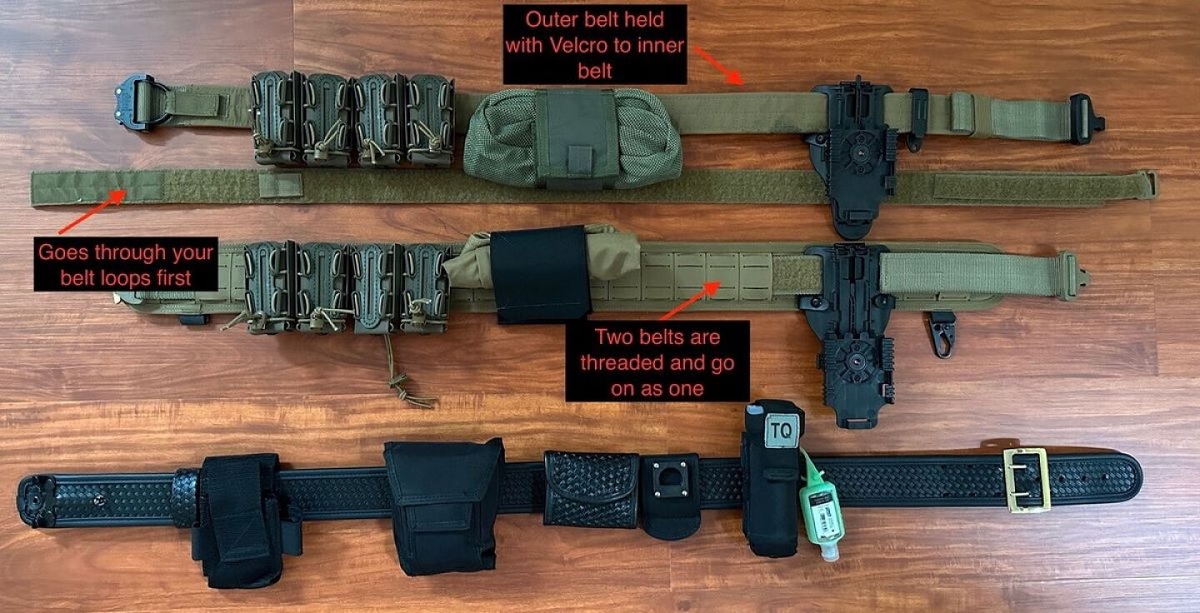
Most modern battle belts are designed to support both mid ride and low ride holster attachments. Belts with reinforced construction and MOLLE-compatible outer layers provide a stable platform for mounting holsters while leaving room for magazine pouches, medical kits, and other essential equipment. A properly fitted belt helps distribute weight evenly and improves overall comfort regardless of ride height.
Before selecting a holster mount, you should verify that it matches the width and attachment style of your battle belt. Some systems are designed specifically for two-piece tactical belts, while others accommodate traditional duty belts or competition setups. Ensuring proper compatibility reduces unwanted movement and creates a more secure platform for carrying your handgun.
Quick-Detach and Adjustable Mounts
Quick-detach mounting systems have become increasingly popular because they allow users to remove or replace a holster without disassembling the entire battle belt. These systems are particularly useful for shooters who alternate between different firearms or training setups. Both mid ride and low ride configurations are commonly available with quick-detach adapters, providing additional convenience without sacrificing stability.
Adjustable mounting systems also allow you to fine-tune ride height, cant, and holster position. Small adjustments can significantly improve comfort and draw efficiency, especially when wearing different types of clothing or protective equipment. This level of customization helps users create a setup that matches their body type and preferred shooting technique while maintaining secure holster retention.
Choosing a Compatible Holster Setup
Selecting a compatible holster system involves more than choosing the correct ride height. You should consider your handgun model, preferred retention level, belt type, and the amount of tactical gear you regularly carry. A well-matched holster and mounting platform provide consistent firearm access while maintaining stability during movement, training, and extended wear.
It is also important to think about future upgrades before making a purchase. A modular system that supports multiple ride heights and attachment options gives you greater flexibility as your equipment evolves. Investing in a compatible mounting platform reduces the need for replacing your entire holster setup and allows you to adapt your battle belt to different missions, shooting disciplines, or training environments with minimal effort.
Factors to Consider Before Choosing Ride Height
Selecting the right holster ride height involves more than personal preference. Your body type, tactical gear, shooting style, and intended use all influence which setup will provide the best performance. Evaluating these factors before making a decision helps you choose a holster position that offers comfort, efficient access, and reliable stability during training or professional use.
Your Gear and Equipment Setup
The amount and type of equipment you wear should be one of the first considerations when choosing ride height. A battle belt loaded with magazine pouches, medical kits, radios, and utility pouches requires careful placement to prevent the holster from interfering with other essential gear. The goal is to create a layout that allows every item to remain easily accessible without overcrowding the belt.
Body armor also plays a major role in ride height selection. Larger plate carriers or chest rigs may block access to a handgun mounted too high, making a low ride holster more practical. Lighter equipment, on the other hand, often works well with a mid ride configuration that keeps the firearm closer to your body while maintaining smooth access.
Body Type and Natural Reach
Every shooter has a different body shape, arm length, and range of motion, making ride height a highly personal choice. A holster that feels comfortable for one person may feel awkward for another. Testing different ride heights allows you to determine which position provides the most natural grip and draw without forcing unnecessary shoulder or wrist movement.
The ideal setup should let your hand establish a complete firing grip immediately after reaching the holster. You should not need to stretch excessively or change your posture to access the firearm. A properly positioned holster supports consistent draw mechanics, helping improve both comfort and efficiency during repeated practice sessions.
Intended Use and Training Environment
The environment in which you plan to use your battle belt significantly affects the best ride height. Shooters who primarily attend training courses, competitions, or range sessions often prioritize stability and comfort, making a mid ride holster a practical choice. This configuration supports fast movement while keeping the handgun securely positioned close to the body.
For tactical operations involving protective equipment, a low ride holster may provide better accessibility. Military personnel, law enforcement officers, and security professionals frequently wear body armor that can interfere with higher-mounted holsters. Selecting a ride height that matches your primary activities ensures the holster performs effectively in the situations where you rely on it most.
Comfort, Mobility, and Future Adjustments
Long-term comfort is just as important as draw speed when selecting a ride height. A holster that feels comfortable during a few minutes of testing may become uncomfortable after several hours of walking, standing, or training. You should evaluate how the setup performs during a variety of movements, including running, kneeling, climbing, sitting, and transitioning between shooting positions.
It is also beneficial to choose a mounting system that allows future adjustments. Modular platforms with interchangeable ride height adapters let you modify your setup as your equipment or training requirements change. This flexibility makes it easier to fine-tune holster placement over time, ensuring your battle belt continues to provide consistent comfort, stability, and accessibility across different applications.
Frequently Asked Questions
What Is The Difference Between A Mid Vs Low Ride Holster On Battle Belt?
The main difference between a mid ride and a low ride holster is how far the handgun sits below your battle belt. A mid ride holster positions the firearm slightly below the belt line, while a low ride holster uses a longer drop attachment to lower the handgun farther for additional clearance.
You should choose based on your equipment and intended use. A mid ride setup generally offers better stability and comfort for everyday training, whereas a low ride holster provides easier access when wearing body armor, chest rigs, or other bulky tactical gear.
Which Is Better, Mid Vs Low Ride Holster On Battle Belt?
Neither option is universally better because each serves a different purpose. A mid ride holster works well for shooters who prioritize comfort, balance, and stability during range sessions, competitions, and general tactical training. It keeps the firearm close to your body, reducing movement during physical activity.
A low ride holster is often the better choice when you wear body armor or heavy equipment. The lower position gives your hand more room to establish a proper grip, making the draw smoother in tactical environments where higher-mounted holsters may be partially obstructed.
Is A Mid Ride Holster Better For Everyday Training?
Yes, a mid ride holster is commonly preferred for everyday training because it provides a balanced combination of accessibility and stability. The handgun stays close to your body, helping reduce unnecessary movement while running, kneeling, climbing, or transitioning between shooting positions.
You may also find the mid ride configuration more comfortable during extended practice sessions. Since the firearm remains near your center of gravity, weight distribution feels more natural, allowing you to train longer without constantly adjusting your battle belt or holster position.
Why Do Many Tactical Users Prefer A Low Ride Holster?
Many tactical users choose a low ride holster because it improves handgun access while wearing protective equipment. Plate carriers, chest rigs, and other gear can interfere with reaching a firearm mounted higher on the belt. Lowering the holster creates more space for a secure firing grip.
You can also benefit from improved draw consistency when your equipment extends below your waistline. A properly adjusted low ride holster, especially when paired with a leg strap, provides reliable access while maintaining stability during demanding tactical movements and field operations.
Does Ride Height Affect Draw Speed?
Yes, ride height can influence your draw speed because it changes how naturally your hand reaches the firearm. A properly fitted mid ride holster often provides a fast and repeatable draw for shooters using light gear or standard clothing.
A low ride holster may improve draw efficiency when body armor blocks access to a higher-mounted handgun. Although your hand travels slightly farther, the additional clearance often results in a smoother draw because your grip is not obstructed by protective equipment or chest-mounted accessories.
Can You Change Between Mid Ride And Low Ride Holster Setups?
Yes, many modern holster systems allow you to switch between mid ride and low ride configurations by replacing the mounting hardware rather than buying a completely new holster. Modular mounting platforms make these adjustments simple and give you greater flexibility as your equipment changes.
You should always verify compatibility between your holster, mounting system, and battle belt before making changes. Choosing an adjustable setup allows you to customize ride height for different training environments, competitions, or tactical applications without replacing your entire holster system.
How Do You Choose The Right Ride Height For Your Battle Belt?
The right ride height depends on your body type, equipment, and intended use. You should consider whether you regularly wear body armor, how much gear is mounted on your battle belt, and which activities you perform most often. These factors determine which configuration offers the best balance of comfort and accessibility.
Testing both ride heights while wearing your complete gear setup is one of the most effective ways to make a decision. Practice drawing an unloaded firearm, moving through different positions, and evaluating overall comfort. This hands-on approach helps you identify the holster position that best matches your shooting style and operational needs.
Final Thoughts
Choosing the right holster position comes down to balancing comfort, accessibility, and the demands of your intended use. When comparing mid vs low ride holster on battle belt, there is no universal solution because each setup offers distinct advantages depending on your gear, body type, and movement requirements.
A mid ride configuration often provides greater stability and mobility, while a low ride setup can improve access when wearing bulky equipment such as body armor. Evaluating factors like draw speed, retention, and long-term comfort will help you determine which option better supports your training or professional needs.
Ultimately, understanding mid vs low ride holster on battle belt allows you to build a setup that enhances both performance and safety. Testing different ride heights in realistic conditions and making small adjustments over time is the best way to achieve a reliable, comfortable, and efficient battle belt configuration.