Holster Wing vs Claw Explained A Complete Guide
Choosing the right concealed carry setup can make a noticeable difference in comfort, accessibility, and how well your firearm stays hidden throughout the day. Small adjustments in holster design often decide whether printing is reduced or becomes an ongoing concern during daily movement.
Among modern concealment accessories, two popular options often come up in discussions: the wing and the claw. Both are designed to improve concealment by influencing how the grip of the firearm sits against the body, especially when wearing light or fitted clothing.
Understanding holster wing vs claw helps you see how each tool works differently even though they share the same goal. While they may look similar at first glance, their mechanics and pressure points affect carry comfort and concealment in distinct ways.
For many users, the choice comes down to body type, carry position, and how much adjustment they want in their setup. Knowing how each one performs in real-world use makes it easier to decide which option fits your everyday carry style better.
Holster Wing
The holster wing is a concealment accessory designed for inside-the-waistband holsters to improve how a firearm sits against the body. It uses belt pressure to rotate the grip inward, reducing printing and improving overall concealment. This small attachment is widely used by concealed carriers who want better stability and comfort without changing their entire holster system.
How Holster Wing Works
Holster wing is an attachment added to inside-the-waistband holsters to improve concealment by changing how the firearm sits against your body during daily movement and posture alignment.
It works by using belt tension as leverage, pushing the grip of the pistol inward so the outer profile becomes less visible under clothing during everyday carry.
Many users prefer the wing because it helps reduce printing without requiring major changes to holster position or ride height adjustments for consistent concealed carry performance results reliability.
It is commonly paired with various holster types, making it a flexible option for carriers who want improved concealment without switching their entire setup daily use.
Benefits of Holster Wing
Holster wings offer improved concealment by altering the grip angle, which helps reduce visible printing when carrying inside the waistband for everyday carry situations and comfort balance.
It also increases comfort by distributing pressure more evenly between the holster and belt, preventing sharp edges from digging into the body during extended wear use period stability.
Another benefit is its ability to improve firearm stability, helping keep the holster in place during movement, sitting, or bending without frequent readjustment needed for active users benefit.
It is a simple addition that enhances everyday carry performance without requiring complex modifications or expensive upgrades to existing holster systems making it practical choice for many users.
Holster Claw
The holster claw is a concealment accessory designed to improve inside-the-waistband carry by reducing firearm printing. It works by applying pressure against the belt, which pushes the grip of the pistol inward toward the body. This helps create a flatter profile under clothing. Many concealed carriers use it to enhance discretion, comfort, and stability in everyday carry setups.
How Holster Claw Works
Holster claw is a small attachment mounted on inside-the-waistband holsters to improve concealment by changing the grip orientation of the firearm when worn on the body during everyday carry use.
It functions by pressing against the inside of the belt, creating leverage that rotates the pistol grip inward toward your torso, reducing outward printing through clothing materials during movement or standing positions.
This inward rotation helps the firearm sit closer to your body, making it less noticeable under shirts, jackets, or fitted clothing while maintaining a secure and stable holster position throughout the day.
Because of this mechanical advantage, the claw is especially useful for appendix carry users who want maximum concealment without sacrificing quick access or comfortable daily wear performance consistency.
Benefits of Holster Claw
Holster claw improves concealment significantly by reducing grip visibility, which helps you carry more discreetly even when wearing lightweight or tight-fitting clothing in public environments daily situations.
It enhances comfort by minimizing the need for tight belts or excessive adjustments, allowing the holster to naturally align with your body shape while maintaining stable firearm positioning throughout use.
The claw also increases consistency in carry performance because it reduces shifting or tilting of the firearm during movement, sitting, or bending activities during everyday routines or active lifestyles.
Many users prefer it because it provides strong concealment improvements without requiring major changes to holster design, making it a simple yet effective upgrade for concealed carry setups.
Design and Function Differences
Understanding the design and function differences between holster wing and holster claw helps you choose the right concealment tool for your carry style. While both accessories aim to reduce printing and improve concealment, they achieve it through different mechanical approaches. Their structure, pressure points, and interaction with the belt system vary, which directly affects comfort, stability, and how the firearm sits against your body during everyday carry.
Structural Design
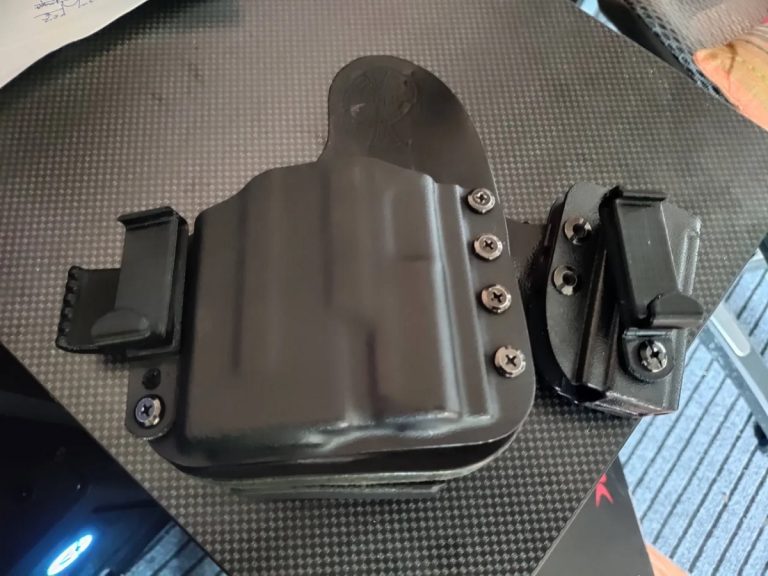
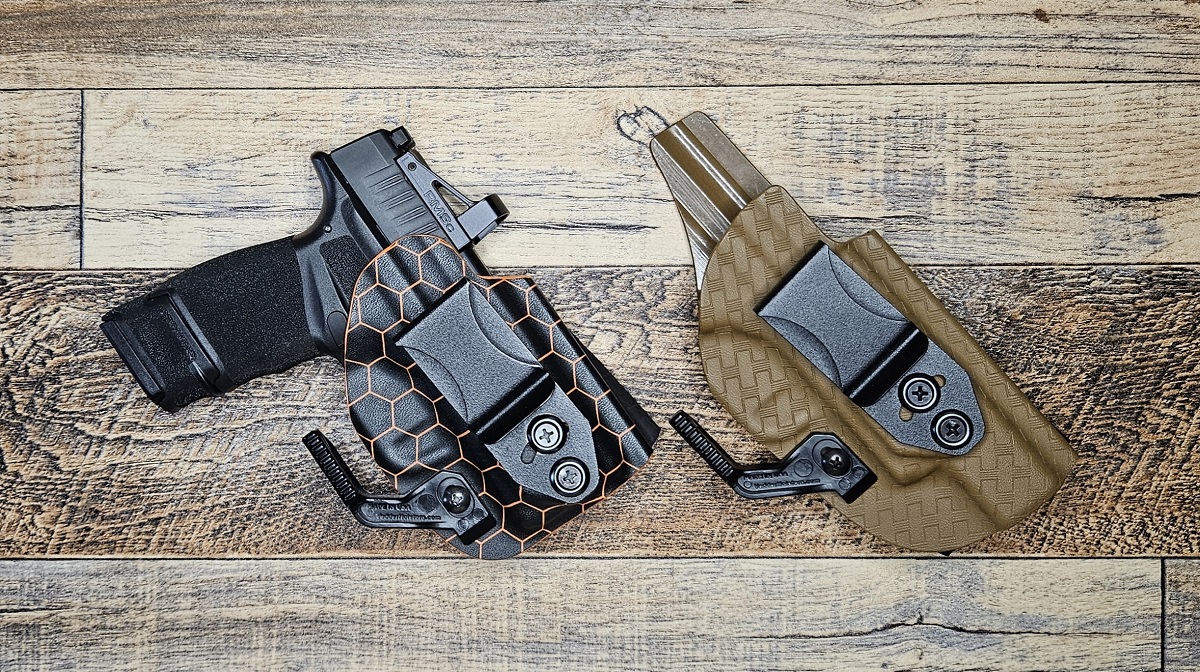
Holster wing and holster claw may look similar at a glance, but their structural design has key differences that influence how they perform. A holster wing is typically a flat, angled extension that relies on belt pressure to rotate the grip inward. It creates leverage through a broader surface area, which distributes pressure more evenly along the belt line during carry.
The holster claw, however, is usually a smaller, more targeted protrusion that focuses pressure on a specific point of the belt. This concentrated contact point creates a stronger rotational force on the firearm grip, pulling it inward more aggressively. Because of this compact design, claws often feel more minimal but can deliver a sharper adjustment in concealment angle.
Another difference is mounting flexibility. Wings are often integrated into holster designs or attached in a way that allows slight adjustability. Claws tend to be modular and can be added or removed depending on user preference. This makes claws more customizable for users who frequently adjust their carry setup.
Overall, the wing emphasizes broader stability, while the claw focuses on concentrated force for deeper concealment adjustments in smaller form factor designs.
Functional Performance
The functional difference between holster wing and claw becomes most noticeable in how each one affects firearm positioning during daily movement. The wing gradually rotates the grip inward using distributed belt pressure, resulting in a smoother and more balanced concealment effect. This makes it suitable for users who prefer comfort alongside moderate concealment improvement.
The claw, on the other hand, delivers a more aggressive inward push on the grip. By focusing pressure on a single point, it creates a sharper angle change that significantly reduces printing, especially in appendix carry positions. However, this stronger adjustment may feel more noticeable on the body for some users.
In terms of stability, wings often provide a more consistent feel during long wear because pressure is spread across a larger area. Claws may offer slightly more movement sensitivity depending on belt tension and holster rigidity, but they excel in maximum concealment scenarios.
Concealment Performance Comparison
When comparing holster wing and holster claw, concealment performance becomes the most important factor for concealed carry users. Both accessories aim to reduce printing by changing the angle of the firearm grip against the body, but they achieve this in different ways. The wing focuses on distributed pressure for balanced concealment, while the claw uses concentrated force for a sharper inward rotation. Understanding how each performs in real-world conditions helps you decide which option better matches your clothing style, carry position, and comfort expectations during daily movement.
Holster Wing Concealment Performance
Holster wing provides concealment by using belt pressure spread across a wider surface, which gently rotates the firearm grip inward toward the body. This creates a more natural alignment that reduces printing without producing extreme pressure points. Many users find this approach comfortable for long hours of wear because the force is evenly distributed along the waistband.
In everyday use, the wing performs well under casual and slightly loose-fitting clothing. It helps stabilize the holster while maintaining a consistent carry angle, which reduces shifting during walking or sitting. This makes it reliable for users who prioritize steady concealment over aggressive grip tuck.
However, in tighter clothing scenarios, the wing may not fully eliminate printing for larger firearm grips. While it improves concealment significantly, its moderate force means it is better suited for balanced concealment rather than maximum reduction. This makes it a strong option for general everyday carry use.
Holster Claw Concealment Performance
Holster claw delivers a more aggressive concealment effect by applying focused pressure against the belt, which forces the firearm grip inward at a sharper angle. This design is particularly effective in appendix carry positions where printing is more noticeable due to forward body placement. The claw’s targeted force helps reduce grip visibility even under tighter clothing.
Because the pressure point is concentrated, the claw often achieves deeper concealment compared to a wing. This makes it a preferred choice for users who wear fitted shirts or want minimal firearm outline visibility. It excels in situations where discretion is the highest priority.
However, the stronger inward rotation can sometimes create noticeable pressure against the body depending on holster design and belt tightness. Some users may need slight adjustments to find the right balance between concealment and comfort. Despite this, its performance in hiding the firearm grip remains highly effective in most setups.
Real-World Carry Scenario Comparison
In real-world carry situations, holster wing and claw perform differently depending on activity level and clothing choices. The wing tends to excel during extended wear periods, such as workdays or travel, where comfort and consistent positioning are important. Its even pressure distribution allows the firearm to stay stable without creating sharp contact points against the body.
The claw performs better in high-concealment environments where tighter clothing or closer social interaction increases the need for minimal printing. It adapts well to appendix carry users who want the grip fully tucked inward for maximum discretion. However, long-duration wear may require minor adjustments for comfort balance.
During movement-heavy activities such as bending, sitting, or walking, both systems maintain stability, but in different ways. The wing offers smoother consistency, while the claw provides tighter concealment control. Choosing between them often depends on whether comfort or maximum concealment is the primary priority.
Comfort and Daily Carry Experience
Comfort plays a major role in choosing between holster wing and holster claw, especially for users who carry every day for long hours. Both accessories improve concealment, but they interact differently with the body, belt tension, and movement patterns. Understanding how each one feels in real-world daily use helps you choose a setup that balances concealment with long-term wearability and reduces discomfort during extended carry situations.
Holster Wing Comfort Experience
Holster wing is generally considered more comfortable for long-term daily carry because it distributes pressure more evenly across the belt line. Instead of pushing at a single concentrated point, it spreads force over a wider area, which reduces irritation and pressure spots during extended wear. This makes it easier to forget you are even carrying after a short adjustment period.
For users who spend many hours sitting, standing, or moving throughout the day, the wing provides a smoother experience. It minimizes sharp edges digging into the body, especially when paired with a properly fitted belt and quality holster. This balanced pressure also helps maintain consistent positioning without frequent adjustments.
However, comfort can vary depending on body shape and carry position. Some users may feel slight bulk due to the wider contact surface. Even so, most find the trade-off acceptable because it enhances overall stability and reduces fatigue during long wear periods in daily routines.
Holster Claw Comfort Experience
Holster claw offers a different comfort profile because it applies focused pressure on a smaller contact point against the belt. This concentrated force creates stronger concealment but can feel more noticeable against the body, especially during extended wear or movement-heavy activities. Some users describe it as more “present” compared to the wing.
During everyday carry, the claw performs best when properly adjusted with belt tension and holster ride height. When set correctly, it can remain comfortable while still delivering excellent concealment. However, incorrect positioning may lead to pressure discomfort, particularly in appendix carry setups where contact with the lower abdomen is more direct.
Despite this, many users adapt quickly and appreciate the improved concealment it provides. Lightweight clothing and proper holster design can significantly improve comfort levels. While it may not feel as soft as a wing, it compensates with tighter firearm control and reduced printing in daily use.
Installation and Adjustment Process
Installing and adjusting holster wing and holster claw correctly is essential for achieving proper concealment, comfort, and stability. Both accessories rely on belt interaction to function effectively, so even small setup mistakes can affect performance. Understanding how each one is installed and tuned helps ensure your firearm sits securely against your body while maintaining easy access and consistent concealment throughout daily carry situations.
Installing a Holster Wing
Installing a holster wing usually involves attaching it directly to the holster using provided mounting screws or hardware. Most holsters designed for wings already include pre-drilled mounting points, making installation relatively straightforward. You align the wing with the designated slots and secure it tightly so it remains stable during movement and daily wear.
Once attached, the wing must be positioned to interact properly with your belt. The goal is to allow belt pressure to push against the wing surface, which then rotates the firearm grip inward toward the body. Proper alignment is important because incorrect placement can reduce concealment effectiveness or create uneven pressure.
After installation, testing is necessary to confirm stability. You should wear the holster, adjust belt tension, and observe how the firearm sits during walking, sitting, and bending. Minor adjustments to ride height or wing angle may be required to achieve the ideal balance between comfort and concealment in real-world use.
Installing a Holster Claw
Installing a holster claw typically involves attaching a small protruding piece to the holster using screws or modular mounting systems. Many modern holsters are designed with claw compatibility, allowing easy installation without major modifications. The claw is positioned so it presses directly against the inside of the belt when worn.
The key function of the claw depends on its contact point with the belt. When installed correctly, it creates leverage that forces the firearm grip inward toward the body. This means precise placement is important, as even slight misalignment can reduce its concealment effectiveness or cause discomfort during carry.
After installation, adjustment involves fine-tuning belt tightness and holster position. You may need to experiment with ride height or cant angle to find the most comfortable setup. Testing in real movement scenarios, such as sitting or bending, ensures the claw is applying consistent pressure without causing excessive discomfort or shifting during daily use.
Fine-Tuning for Best Performance
Fine-tuning both holster wing and claw setups is a critical step after installation because small adjustments can significantly affect concealment and comfort. Even a properly installed accessory may require changes in belt tension, holster ride height, or cant angle to achieve optimal performance in real-world conditions.
For holster wings, fine-tuning usually focuses on balancing pressure distribution. Slight changes in belt tightness or wing positioning can improve how evenly the grip is rotated inward. If the wing feels too loose, concealment may suffer, while excessive tightness can reduce comfort during long wear periods.
For holster claws, adjustment is more sensitive because of their concentrated pressure design. Small shifts in placement can noticeably change grip angle and concealment depth. Users often experiment with belt stiffness and holster positioning to reduce pressure discomfort while maintaining strong inward rotation.
Testing over multiple daily activities is essential during fine-tuning. Walking, sitting, driving, and bending all reveal how the system behaves under movement, helping you identify the most practical and reliable configuration for everyday carry consistency.
FAQs
What Is The Main Difference Between Holster Wing Vs Claw?
The main difference between holster wing vs claw is how each one uses belt pressure to improve concealment. A holster wing spreads pressure across a wider surface, creating a smoother inward rotation of the firearm grip. A holster claw focuses pressure on a single point, producing a stronger and more aggressive inward push.
You will notice the wing feels more balanced and comfortable during long wear, while the claw typically delivers better concealment in tighter clothing. Both aim to reduce printing, but they achieve it through different mechanical leverage methods and pressure distribution styles during everyday carry use.
Which Is Better For Concealment, Wing Or Claw?
For pure concealment, you will often find the holster claw performs better because it creates a sharper inward angle on the firearm grip. This helps reduce printing more effectively, especially when carrying in appendix positions or wearing fitted clothing.
However, the holster wing still performs very well and may be enough for most everyday carry situations. It provides solid concealment with less aggressive pressure, making it a good balance between visibility reduction and comfort during long periods of wear and movement.
Is Holster Wing More Comfortable Than Claw?
Yes, in many cases you will find the holster wing more comfortable than the claw. The wing spreads pressure over a larger area of your belt line, which reduces sharp pressure points against your body. This makes it easier to wear for extended periods without irritation or discomfort.
The claw applies force in a more concentrated way, which can feel more noticeable during long hours of carry. While many users adapt to it, comfort often depends on body type, belt setup, and how well the holster is adjusted for daily use.
Can You Use Holster Wing And Claw Together?
Yes, in some holster setups you can use both a wing and a claw together, depending on the design of the holster. When combined, they work to maximize grip rotation and improve concealment even further. This setup is often used by experienced concealed carriers.
However, using both may increase pressure against the body, so proper adjustment is important. You will need to balance belt tightness and ride height carefully to avoid discomfort while still achieving strong concealment performance during everyday carry activities.
Which Is Better For Appendix Carry?
For appendix carry, you will usually find the holster claw more effective because it creates a stronger inward rotation of the firearm grip. This helps reduce printing in a carry position where the gun sits at the front of your body and is more likely to be visible under clothing.
That said, the holster wing can still work well for appendix carry if comfort is your priority. It offers a more gentle and balanced feel, which some users prefer for all-day wear even if concealment is slightly less aggressive.
Do Holster Wings Or Claws Affect Draw Speed?
Yes, both holster wings and claws can slightly influence your draw speed, but the effect is usually minimal when properly adjusted. The wing provides a more neutral position, which may feel smoother during initial grip acquisition. The claw may require a bit more awareness due to its stronger inward rotation.
With practice, you will find that both allow efficient draw speeds. Proper belt tension, holster positioning, and repetition in training matter more than the accessory itself when it comes to consistent and fast firearm access in real situations.
Which One Should Beginners Choose?
If you are new to concealed carry, you will often find the holster wing easier to start with because it offers a more forgiving and comfortable experience. It reduces printing while still maintaining a natural feel against the body, making it easier to adapt to daily carry habits.
The holster claw may be better suited once you understand your carry position and want more aggressive concealment. As a beginner, starting with a wing can help you focus on comfort, positioning, and safe handling before moving to more advanced concealment setups.
Final Thoughts
Choosing between these two concealment tools ultimately depends on how you prioritize comfort, concealment, and daily carry consistency. Both options are designed to reduce printing and improve how a firearm sits against the body, but they approach the goal in different ways that suit different users and carry styles.
When comparing holster wing vs claw, the wing offers a more balanced and comfortable experience with even pressure distribution, making it suitable for longer wear periods. The claw, on the other hand, provides stronger inward grip rotation for deeper concealment, especially in tighter clothing or appendix carry setups where printing is more noticeable.
In real-world use, neither option is universally better. Your body type, clothing choices, and carry position will influence which performs best for you. Some users even prefer switching between both depending on the situation, ensuring they get the right mix of comfort and concealment whenever they carry.