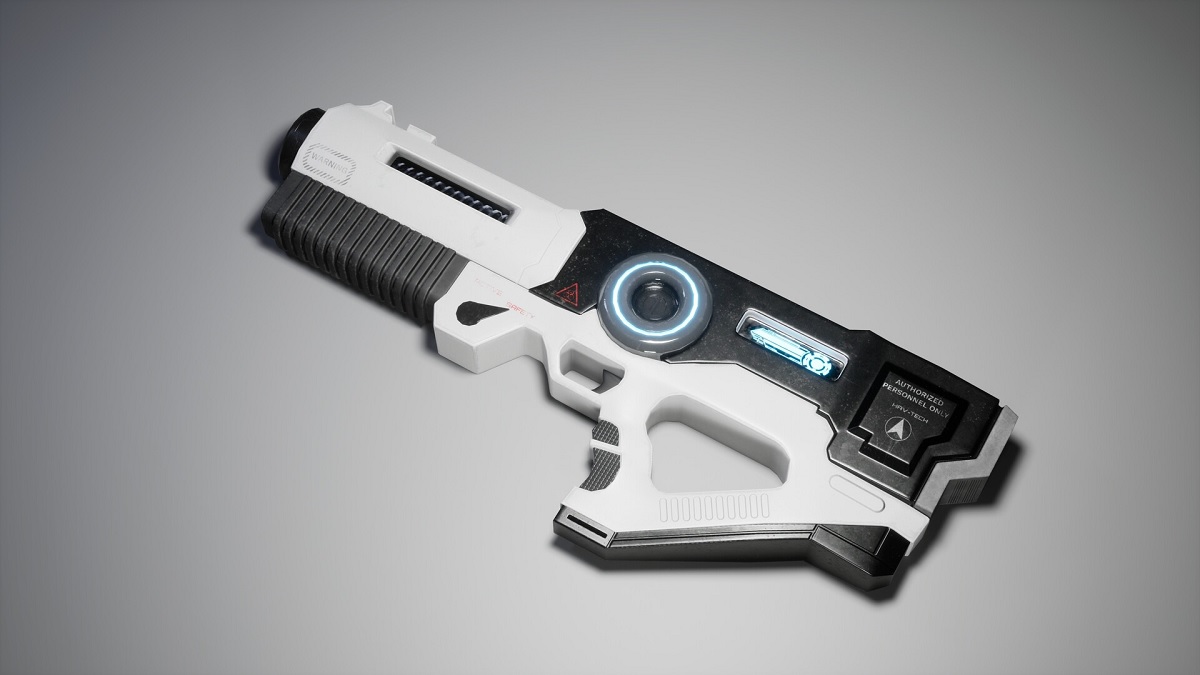
What Is a Sonic Weapon Complete Guide to Acoustic Warfare
Sound has always been used as a tool beyond communication, and in modern times it has taken on more advanced and controversial roles. Sonic technology is one such area that has drawn attention in security and defense discussions.
These systems rely on concentrated sound waves that can travel long distances and interact with the human body in powerful ways. At high intensities, sound can cause discomfort, hearing damage, dizziness, and disorientation, depending on exposure and frequency.
To understand what is a sonic weapon, it is important to look at how directed sound energy is designed to influence behavior or control movement in certain situations. It is often discussed in both military and crowd control contexts.
The topic also raises debates about safety, ethics, and appropriate use in real-world environments. While some view it as a non-lethal alternative to traditional force, others question its potential health risks and long-term effects on human hearing and well-being.
What Is a Sonic Weapon and Why It Matters
A sonic weapon is a device that uses focused sound waves to influence human behavior, movement, or perception. These systems operate by projecting high-intensity acoustic energy that can travel through air and impact the human body at different frequencies. Understanding what is a sonic weapon helps explain its role in modern security, crowd management, and defense strategies where non-lethal methods are often preferred over physical force.
How Sonic Weapons Work in Practice
Sonic weapons function by emitting concentrated sound waves at specific frequencies and power levels. These waves can interact with the inner ear and nervous system, which may lead to discomfort, pressure in the head, or temporary disorientation. The technology often uses directional speakers or acoustic arrays to target a specific area without affecting a wide environment.
At certain frequencies, sound becomes more than just something heard. It can be physically felt, creating vibration-like sensations in the body. This effect is what makes sonic systems different from normal audio equipment used for communication or entertainment purposes.
Some advanced systems are designed to adjust frequency output depending on distance and environmental conditions. This allows operators to control how far the sound travels and how intense it becomes at the target location.
Because of this precision, sonic technology is often studied for controlled scenarios where physical contact needs to be avoided while still maintaining influence over movement or behavior.
Real-World Applications of Sonic Weapon Technology
Sonic weapon technology is mainly explored in military and law enforcement environments where non-lethal force options are required. It can be used for dispersing crowds, protecting restricted zones, or creating barriers without using physical barriers or direct confrontation.
In certain security setups, these devices are positioned to warn or deter individuals from entering sensitive areas. The sound acts as an invisible boundary that encourages people to move away without direct engagement.
There are also discussions about using similar acoustic principles for rescue operations, such as signaling or communication in loud disaster environments. However, these applications are still limited and carefully regulated due to safety concerns.
Despite its potential usefulness, the technology remains controversial because of its possible effects on hearing health and psychological comfort when used repeatedly or at high intensity.
Why Sonic Weapons Matter in Modern Security Strategies
Sonic weapons matter because they represent a shift toward non-lethal control methods in modern security systems. Authorities and defense organizations are increasingly interested in tools that reduce physical harm while still maintaining control in high-risk situations.
These systems also highlight the growing role of technology in managing public spaces. Instead of relying only on physical force, sound-based systems introduce a more indirect way of influencing behavior, which can reduce direct confrontation in certain scenarios.
At the same time, the use of sonic technology raises important questions about ethics and safety standards. Prolonged or excessive exposure to high-intensity sound can affect hearing and well-being, making regulation and responsible use essential.
Core Definition of Sonic Weapon
Sonic weapon technology refers to specialized systems designed to project controlled sound waves at specific frequencies and intensities for influencing human perception, movement, or comfort. These systems are engineered to focus acoustic energy in a targeted direction, often for non-lethal applications. Understanding the core definition of sonic weapon technology helps explain how sound can be transformed into a tool for security, deterrence, and controlled environmental influence.
Fundamental Concept Behind Sonic Weapon Technology
At its core, sonic weapon technology is built on the principle that sound is a form of energy capable of affecting the human body and mind when delivered at sufficient intensity or specific frequencies. Unlike ordinary sound systems, these devices are designed to concentrate acoustic pressure into a directional beam, allowing it to impact a defined area rather than spreading evenly in all directions.
This focused sound energy can interact with the human auditory system, particularly the inner ear, which is highly sensitive to frequency changes. When exposed to certain levels, individuals may experience discomfort, pressure, or temporary disorientation. This is not based on physical contact but on how the body naturally responds to high-decibel sound waves.
In many discussions, sonic weapon technology is categorized under non-lethal tools because it aims to influence behavior without causing direct physical injury. However, its effects depend heavily on intensity, duration, and distance from the source, making precision an important factor in its design and use.
Researchers and defense developers study these systems to understand how controlled acoustic energy can be applied in security situations. The core idea is not destruction but modulation of human response through sound-based stimulation.
Key Components and Functional Structure of Sonic Systems
Sonic weapon systems typically consist of high-powered transducers, directional emitters, and control units that regulate frequency and amplitude. These components work together to generate and project sound waves in a focused and controlled manner. The design allows operators to adjust output levels depending on the intended application or environmental conditions.
Directional speakers or acoustic arrays are a major part of these systems, as they help concentrate sound into a narrow beam. This ensures that the energy is delivered to a specific target zone while minimizing spread to surrounding areas. The more precise the focus, the more effective the system becomes in controlled scenarios.
Control mechanisms also play a critical role, allowing operators to change frequency ranges in real time. Different frequencies can produce different effects on human perception, ranging from mild discomfort to strong disorientation. This adaptability makes sonic systems versatile in various operational settings.
How Sonic Weapons Generate
Sonic weapons generate and project sound energy by converting electrical signals into highly concentrated acoustic waves that can be directed toward a specific target area. These systems are built to manipulate frequency, amplitude, and wave direction in a controlled manner. The process involves advanced transducer technology, amplification units, and directional emitters working together to create focused sound pressure capable of influencing human perception and movement.
Sound Energy Generation Through Transducers and Signal Conversion
The first stage in sonic weapon technology begins with signal generation, where electrical inputs are converted into mechanical vibrations. This is typically achieved through transducers such as piezoelectric elements or electromagnetic drivers. These components respond to electrical signals by rapidly vibrating, which produces sound waves in the air.
Once the vibration process begins, the system amplifies these oscillations to reach higher decibel levels than standard audio devices. The amplification stage is critical because sonic weapons require significantly stronger sound pressure to achieve directional and behavioral effects. Without sufficient amplification, the sound would dissipate too quickly to be effective.
In many systems, waveform generators are used to fine-tune the frequency output. This allows operators to select specific sound ranges that may interact differently with human hearing sensitivity. Low frequencies may create pressure sensations, while higher frequencies can produce discomfort or disorientation.
All of these components work together in a synchronized system that ensures the sound energy is not random but precisely engineered. The goal is to produce controlled acoustic output that can be scaled depending on operational requirements and environmental conditions.
Projection, Direction, and Control of Acoustic Energy in Sonic Systems
After generation, the sound energy must be projected in a controlled direction, which is achieved using specialized acoustic lenses, horns, or phased array speaker systems. These components focus sound waves into a narrow beam rather than allowing them to spread evenly in all directions. This directional control is what distinguishes sonic weapons from conventional audio equipment.
Phased array technology plays a major role in modern systems by allowing multiple sound sources to be synchronized. By adjusting timing and phase differences between emitters, the system can steer sound waves electronically. This creates a focused acoustic beam that can be aimed at a specific point without physically moving the device.
Amplifiers within the system ensure that the projected sound maintains sufficient intensity over distance. As sound travels, it naturally loses energy, so controlled amplification is necessary to preserve its intended effect at the target location. Engineers carefully balance power output to maintain effectiveness while managing dispersion.
Environmental factors such as wind, temperature, and obstacles can also influence sound projection. Advanced sonic systems often include calibration tools that adjust output in real time, ensuring consistent delivery of acoustic energy. This combination of directional control and adaptive adjustment allows sonic weapons to maintain precision across different operational environments.
Types of Sonic Weapon
Sonic weapon systems come in several forms, each designed to produce and control sound energy in different frequency ranges and power levels. These technologies are used in security, military, and crowd management contexts depending on operational needs. Some systems focus on long-range communication disruption, while others aim to create discomfort or disorientation. Understanding the types of sonic weapon systems used in practice helps explain how acoustic energy is adapted for different real-world scenarios.
Long Range Acoustic Devices used for directional crowd control
Long Range Acoustic Devices are one of the most widely recognized sonic systems used in security operations. They project highly focused sound beams over long distances, allowing operators to communicate warnings or disperse crowds without physical contact. The sound is directional, meaning it targets a specific area while minimizing impact on surrounding zones.
These systems often combine high-powered speakers with precision control units that adjust volume and frequency. The resulting sound can become extremely intense at the target point, encouraging individuals to move away due to discomfort or pressure sensations rather than physical force.
In practical use, these devices are often deployed in large public gatherings, maritime security zones, or perimeter defense situations. Their ability to deliver clear audio instructions at long range also makes them useful for emergency communication.
Despite their utility, concerns remain about potential hearing effects if exposure occurs too close to the source or for extended durations. This has led to strict operational guidelines in many regions.
Infrasound based systems and low frequency acoustic influence
Infrasound sonic systems operate at frequencies below the normal range of human hearing, typically under 20 Hz. Although these sounds are not always audible, they can still produce physical sensations in the body. These may include pressure in the chest, unease, or mild disorientation depending on intensity.
These systems work by generating extremely low-frequency waves that travel through air and structures. Because infrasound can penetrate obstacles more easily than higher frequencies, it is studied for its potential to influence perception in indirect ways.
In controlled environments, low-frequency systems are explored for specialized applications such as perimeter sensing or behavioral deterrence. However, their effects are less predictable compared to directional acoustic devices, making precise control essential.
The use of infrasound technology remains a topic of ongoing research, particularly in understanding how prolonged exposure may affect human comfort and physiological response. This uncertainty contributes to its cautious application in real-world settings.
Ultrasonic sonic systems used for close-range deterrence and detection
Ultrasonic sonic systems operate at frequencies above the range of human hearing, typically above 20 kHz. These systems are often used for close-range applications where subtle but effective deterrence or detection is required. Unlike loud audible devices, ultrasonic systems rely on high-frequency energy that may not always be consciously perceived.
In security environments, ultrasonic systems can be used to discourage movement in restricted areas or assist in detecting unauthorized presence. The high-frequency waves can interact with objects and surfaces, making them useful for monitoring and sensing applications as well.
These systems are generally limited in range because high-frequency sound loses energy more quickly in open air. However, their precision makes them valuable in controlled indoor environments or confined spaces where accuracy is more important than distance.
Although considered less invasive than high-decibel systems, ultrasonic technology still requires careful calibration. Improper use or excessive exposure can lead to discomfort in sensitive individuals, especially in environments with prolonged exposure.
Physical and Psychological Impact
Sonic weapon systems can produce a wide range of physical and psychological effects on humans depending on frequency, intensity, and exposure time. These impacts are not always uniform, as individual sensitivity and environmental conditions also play a role. Understanding the physical and psychological impact on humans helps explain why such systems are carefully regulated and often limited to specific controlled scenarios.
Physical effects of high intensity sound exposure on the human body
High intensity sound waves can have noticeable physical effects on the human body, especially when exposure occurs at close range or for extended periods. The most immediate impact is on the auditory system, where excessive sound pressure can lead to ear pain, temporary hearing loss, or ringing in the ears known as tinnitus.
Beyond the ears, strong acoustic waves may create pressure sensations in the chest or head due to how sound vibrations interact with body tissues. Some individuals may experience dizziness or imbalance when exposed to rapidly changing frequencies, as the inner ear plays a key role in maintaining equilibrium.
In more intense scenarios, prolonged exposure can contribute to stress responses in the body, including increased heart rate or discomfort. These reactions are typically linked to the body’s natural defense mechanism against loud or harmful environmental stimuli.
Although many systems are designed for non-lethal use, the physical effects still depend heavily on proper calibration, distance, and duration of exposure, making safety controls essential in operational settings.
Psychological and cognitive effects of sonic exposure on humans
Psychological effects of sonic exposure can vary widely, ranging from mild discomfort to significant cognitive disruption in some cases. High or persistent sound levels can create stress responses in the brain, leading to irritation, anxiety, or difficulty concentrating in affected individuals.
Disorienting frequencies may also interfere with spatial awareness, making it harder for a person to judge distance or maintain focus in their surroundings. This can be particularly impactful in crowded environments where sound intensity is amplified by reflections and environmental noise.
Some individuals report feelings of unease or agitation when exposed to unfamiliar or non-rhythmic acoustic patterns. This reaction is often linked to how the human brain processes sound as both a sensory and emotional input, especially when it cannot easily predict or filter the stimulus.
In controlled contexts, these psychological effects are part of why sonic systems are considered for crowd management, but they also raise concerns about long-term stress and mental well-being if exposure is repeated or poorly managed.
Frequently Asked Questions
What Is A Sonic Weapon?
A sonic weapon is a device that uses concentrated sound waves to influence human perception, movement, or behavior. You can think of it as a system that turns acoustic energy into a controlled force rather than just sound you hear. These devices are designed to project specific frequencies and intensities that may cause discomfort, disorientation, or pressure sensations. In security and defense discussions, sonic weapons are often considered non-lethal tools intended for crowd control or area denial rather than direct physical harm in most controlled applications.
How Does A Sonic Weapon Work?
A sonic weapon works by converting electrical energy into high-intensity sound waves using transducers and amplifiers. You may experience its effect when focused sound is directed toward a target area, increasing acoustic pressure at a specific point. These waves interact with your inner ear and body, which can affect balance and perception. Directional speakers or phased arrays help control where the sound travels. This focused delivery makes the system more precise than normal audio equipment used for communication or entertainment purposes.
Are Sonic Weapons Harmful To Humans?
Sonic weapons can be harmful depending on intensity, frequency, and exposure time. If you are exposed to very loud or low-frequency sound at close range, you may experience ear pain, ringing in the ears, dizziness, or temporary hearing loss. Psychological effects like stress or anxiety can also occur. While many systems are designed for non-lethal use, improper or prolonged exposure increases risk. This is why operational guidelines and distance control are important in real-world deployment situations.
Where Are Sonic Weapons Commonly Used?
You will typically find sonic weapons used in military operations, law enforcement activities, and crowd management scenarios. They are designed for situations where physical force needs to be reduced or avoided. For example, they may be used to disperse large gatherings or warn people in restricted areas from a distance. In some cases, they are also used for maritime security or perimeter protection. Their main role is to influence behavior using sound rather than physical confrontation or barriers.
What Types Of Sound Do Sonic Weapons Use?
Sonic weapons can use different types of sound, including audible, infrasonic, and ultrasonic frequencies. If you are exposed to audible ranges, you may hear loud, focused noise. Infrasonic systems use very low frequencies that you might not hear but can still feel physically. Ultrasonic systems use very high frequencies beyond human hearing, often for close-range applications. Each type creates different effects on perception and comfort, depending on how the sound interacts with your body and environment.
Can Sonic Weapons Cause Permanent Damage?
Yes, in certain cases, sonic weapons can cause permanent damage, especially to hearing. If you are exposed to extremely high sound levels without protection or at close range, there is a risk of long-term hearing loss or tinnitus. Psychological stress effects may also become more serious with repeated exposure. However, most modern systems are designed with safety limits to reduce these risks. The outcome depends heavily on intensity, duration, and how close you are to the sound source.
Why Are Sonic Weapons Considered Controversial?
Sonic weapons are considered controversial because they sit between non-lethal control and potential harm. You may see them as useful for reducing physical violence in security situations, but concerns arise about their impact on hearing health and psychological well-being. Critics question how safe it is to use sound as a coercive tool in public spaces. Ethical debates also focus on regulation, transparency, and how exposure limits are enforced. This balance between safety and control keeps the technology under ongoing scrutiny.
Conclusion
In modern defense and security discussions, sound-based technology has gained attention for its ability to influence human perception without using physical projectiles. These systems rely on controlled acoustic energy to create effects ranging from discomfort to disorientation, depending on intensity and frequency. As research continues, the understanding of how sound interacts with the human body is becoming more refined and structured.
When exploring what is a sonic weapon, it becomes clear that it refers to devices designed to project focused sound waves for tactical or control purposes. These tools are mainly associated with crowd management, perimeter defense, and experimental military applications. While they are often described as non-lethal alternatives, their impact can still vary based on exposure level and environmental conditions.
Overall, the concept of acoustic-based systems highlights both innovation and controversy in modern technology. The question of what is a sonic weapon also raises important discussions about safety standards, ethical use, and long-term effects on human health. As development continues, balancing effectiveness with responsible use will remain a key challenge for the future.